Watching your child struggle with stress and anxiety is heartbreaking. You want to help, but you can't always be there to calm them down. The good news? Fidget toys can be portable coping tools that empower children to manage their own nervous systems.
These aren't just trendy toys. When matched to your child's needs, they're legitimate tools for emotional regulation that therapists and educators increasingly recommend. For more options, see our guide to tactile fidget toys for focus.
How Fidget Toys Combat Stress and Anxiety
Understanding why these tools work helps you use them more effectively:
Sensory Grounding
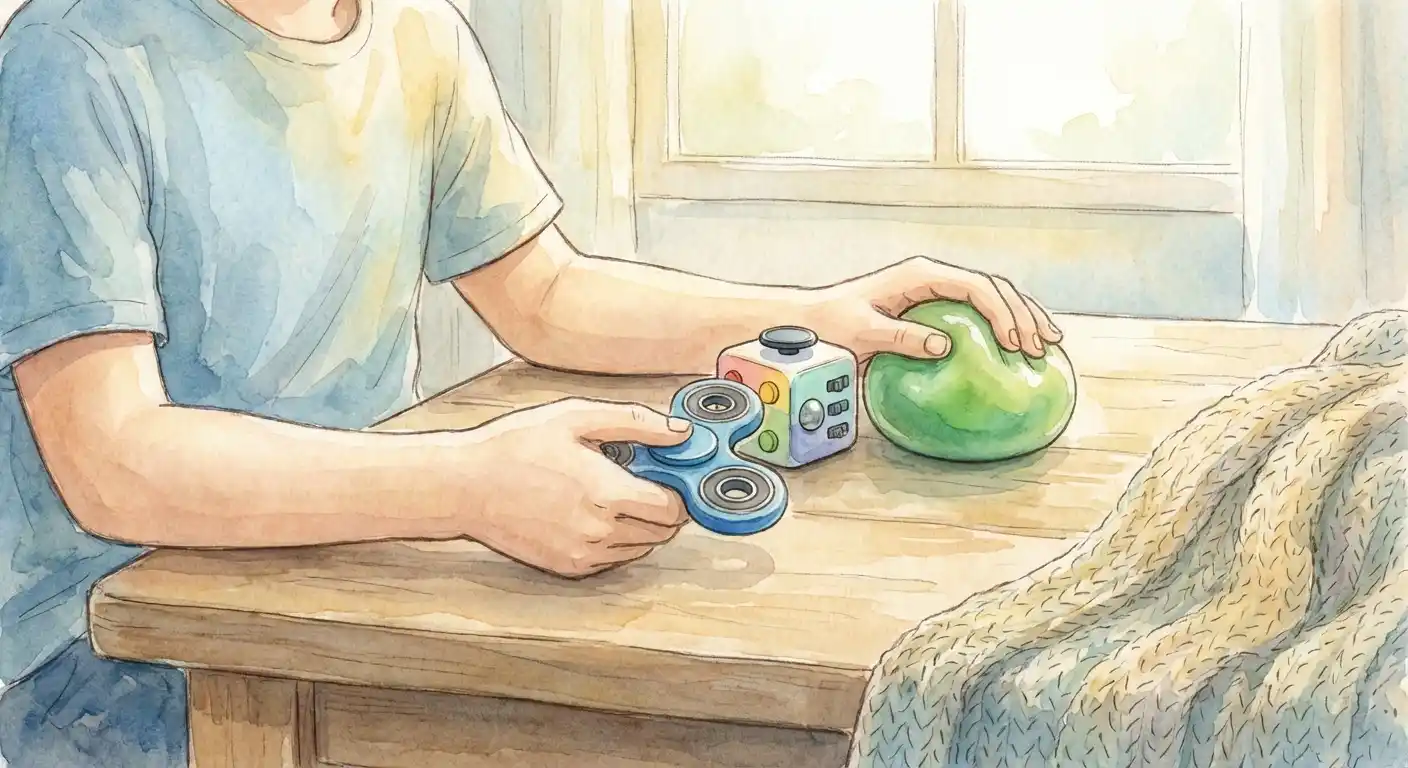
Anxiety often involves the mind racing into future worries or past regrets. Tactile sensory input, like squeezing a stress ball or popping bubbles, anchors attention in the present moment and the physical body. It's mindfulness made accessible for children.
Nervous System Regulation
The repetitive, rhythmic motions of fidgeting can activate the parasympathetic nervous system, the "rest and digest" mode that counteracts the stress response. It's similar to how rocking or swaying calms upset babies.
Energy Channeling
Stress and anxiety create physical energy that needs somewhere to go. Without a healthy outlet, this energy might emerge as aggression, restlessness, or meltdowns. Fidgeting provides a productive channel that doesn't disrupt others.
Distraction From Worry
Sometimes breaking the cycle of anxious thoughts is all that's needed. Focusing on a fidget toy shifts attention away from worries, giving the brain a break and often allowing the anxiety to naturally subside.
Control and Agency
Having a tool they can use themselves gives children a sense of control over their emotional state. This agency is empowering and builds confidence in their ability to cope with difficult feelings.
Choosing the Right Fidget for Your Child
Different children find different types of sensory input calming:
For Children Who Seek Pressure
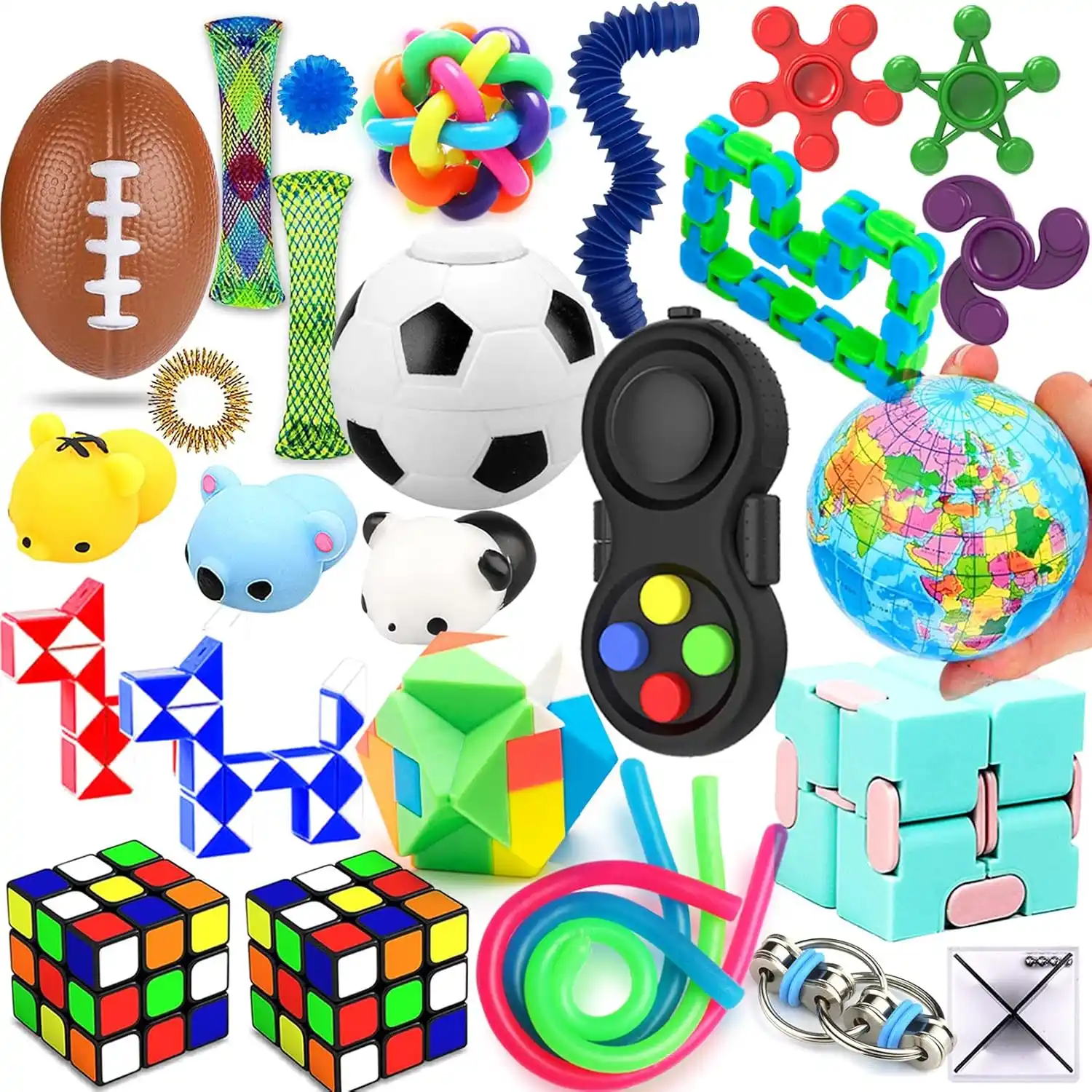
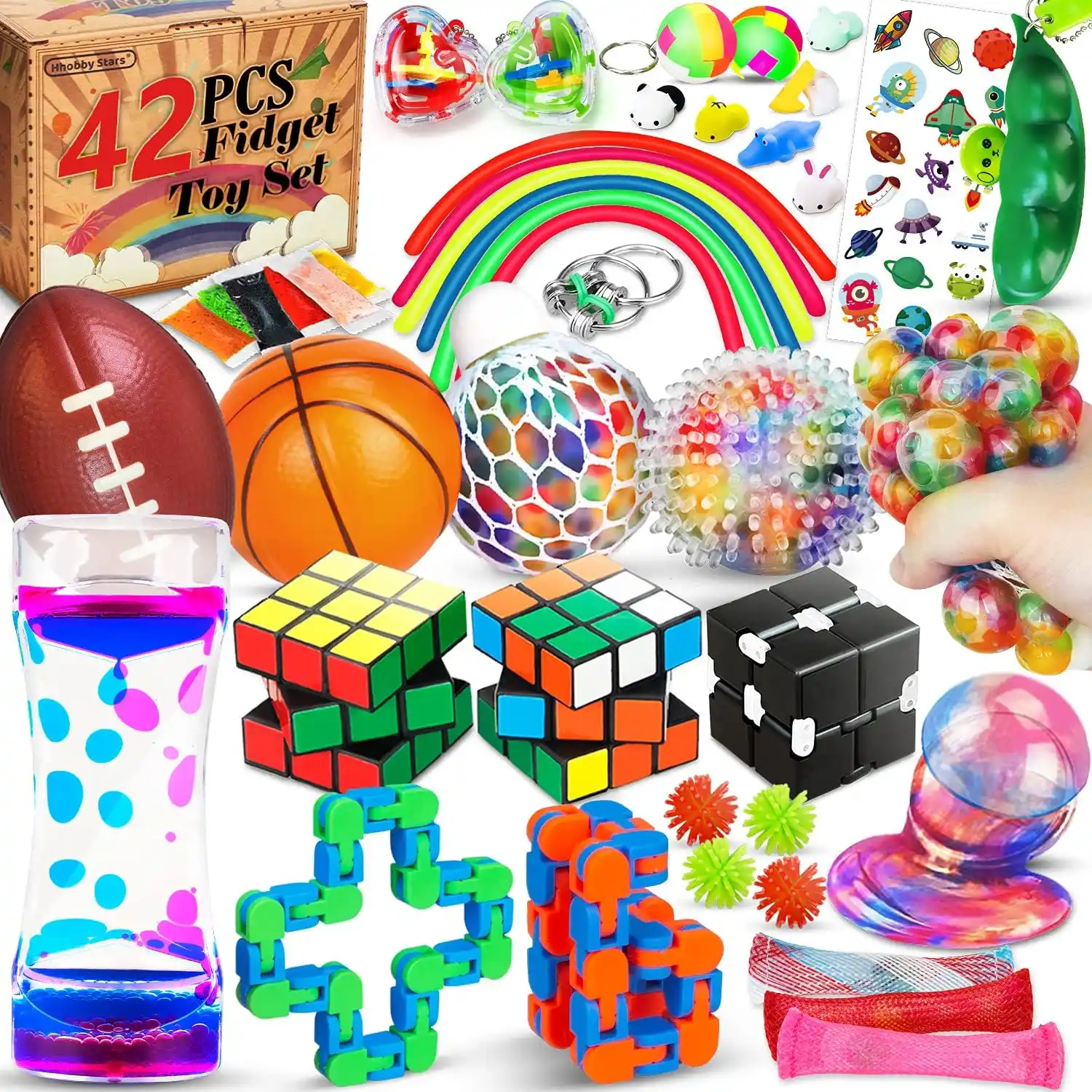
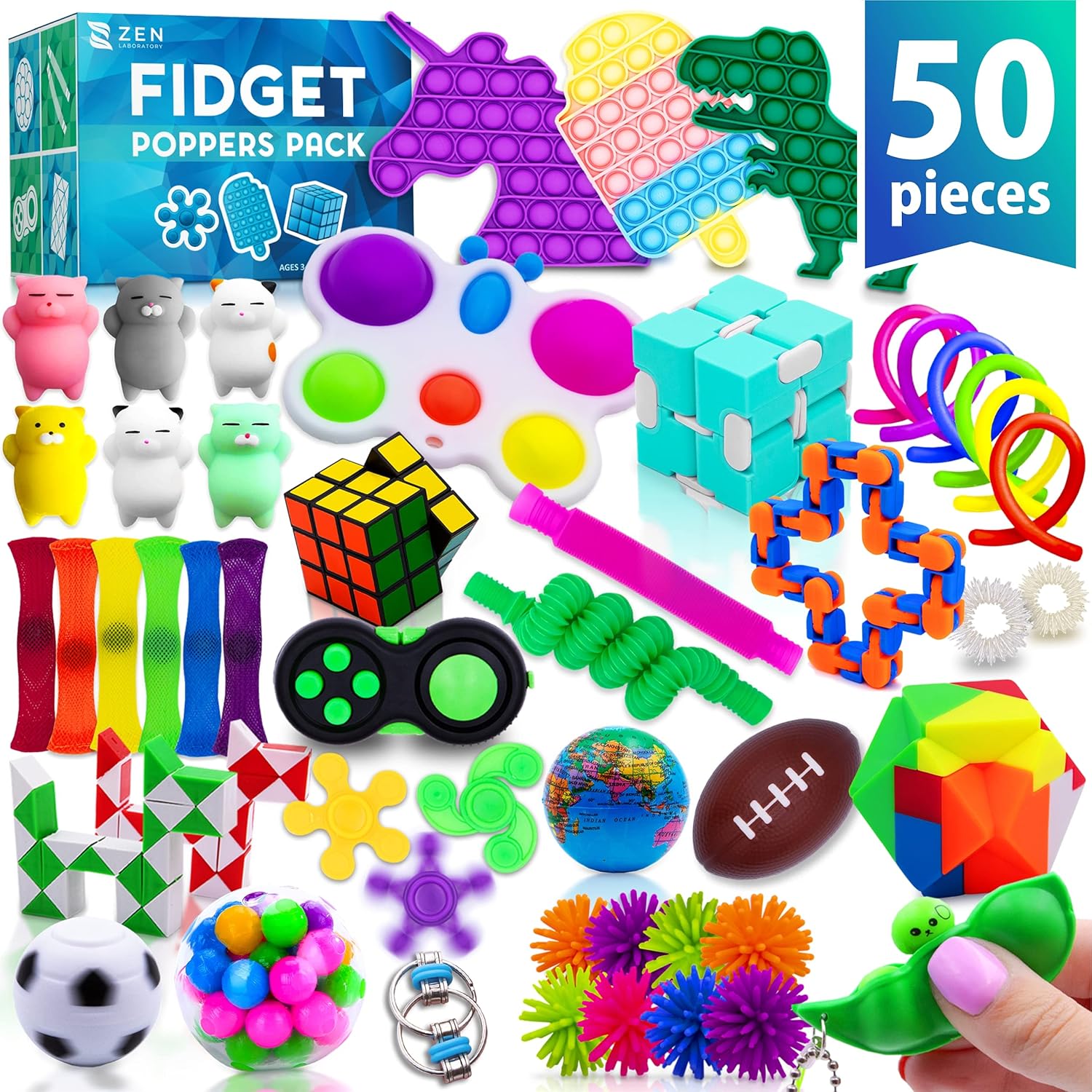
- Stress balls and squishies
- Therapy putty and sensory dough
- Squeeze tubes
For Children Who Seek Tactile Input
- Textured fidgets
- Marble mesh tubes
- Sensory rings
For Children Who Seek Repetitive Motion
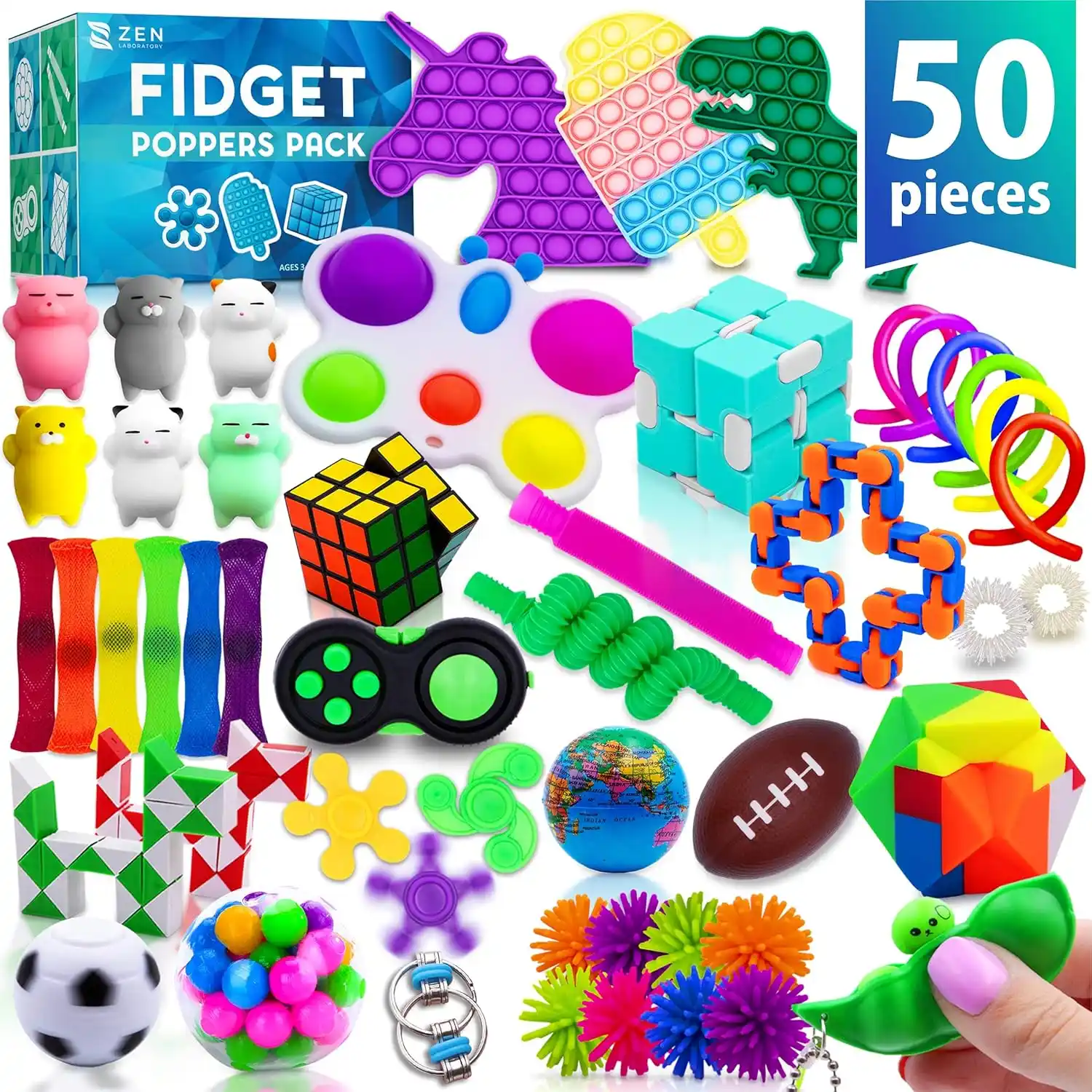
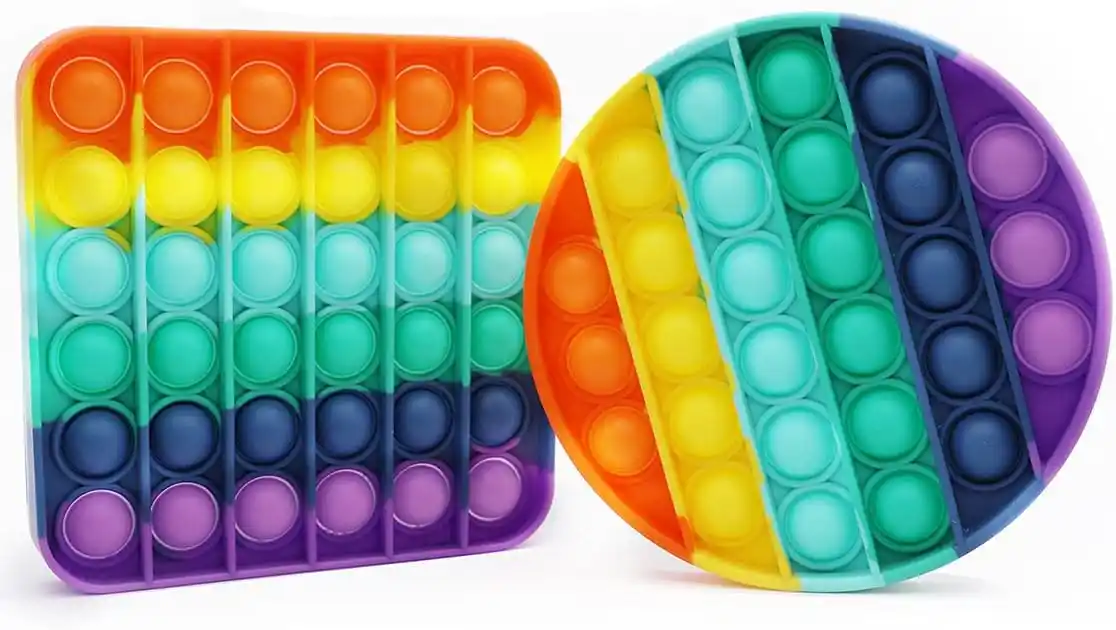
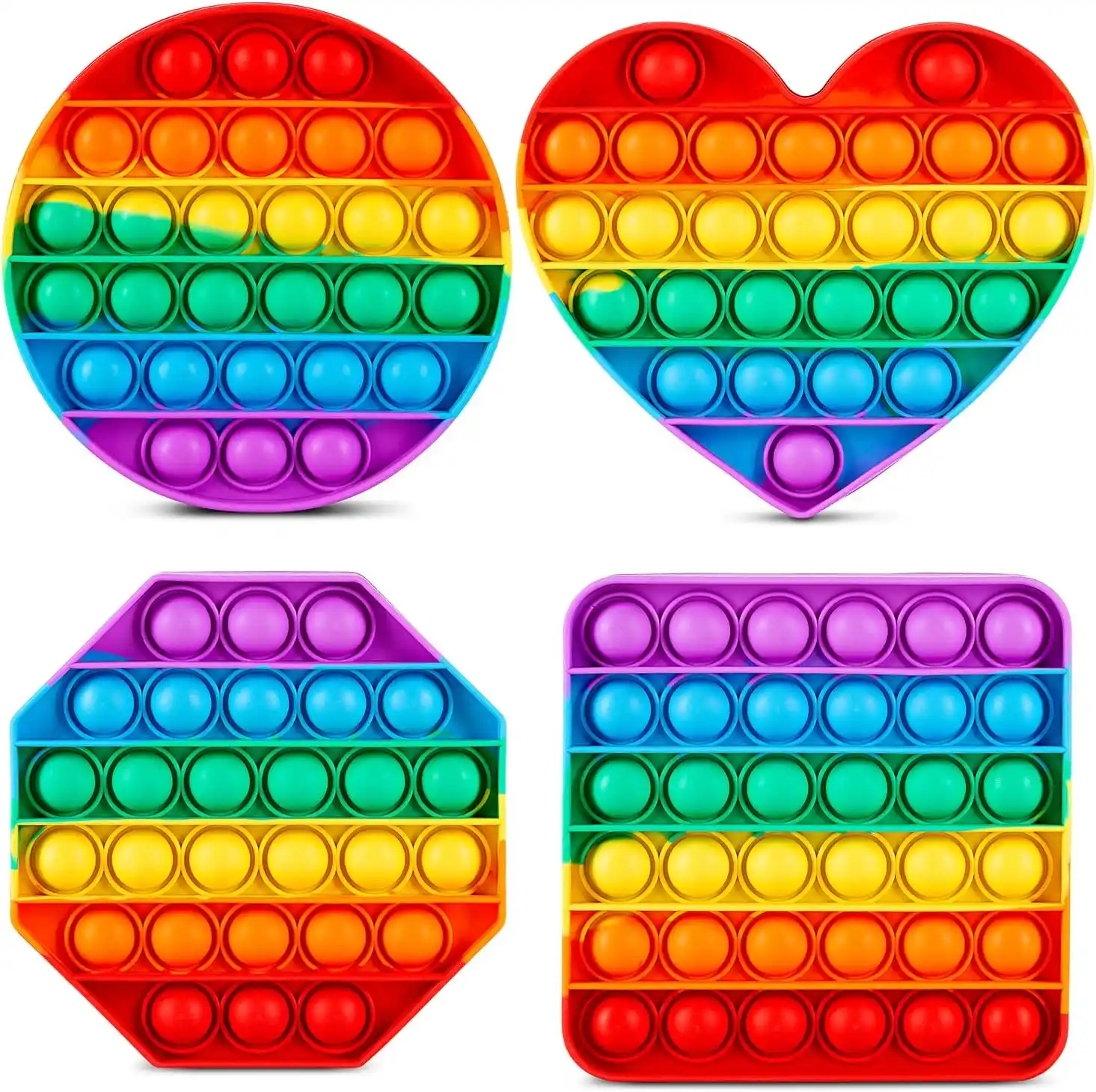
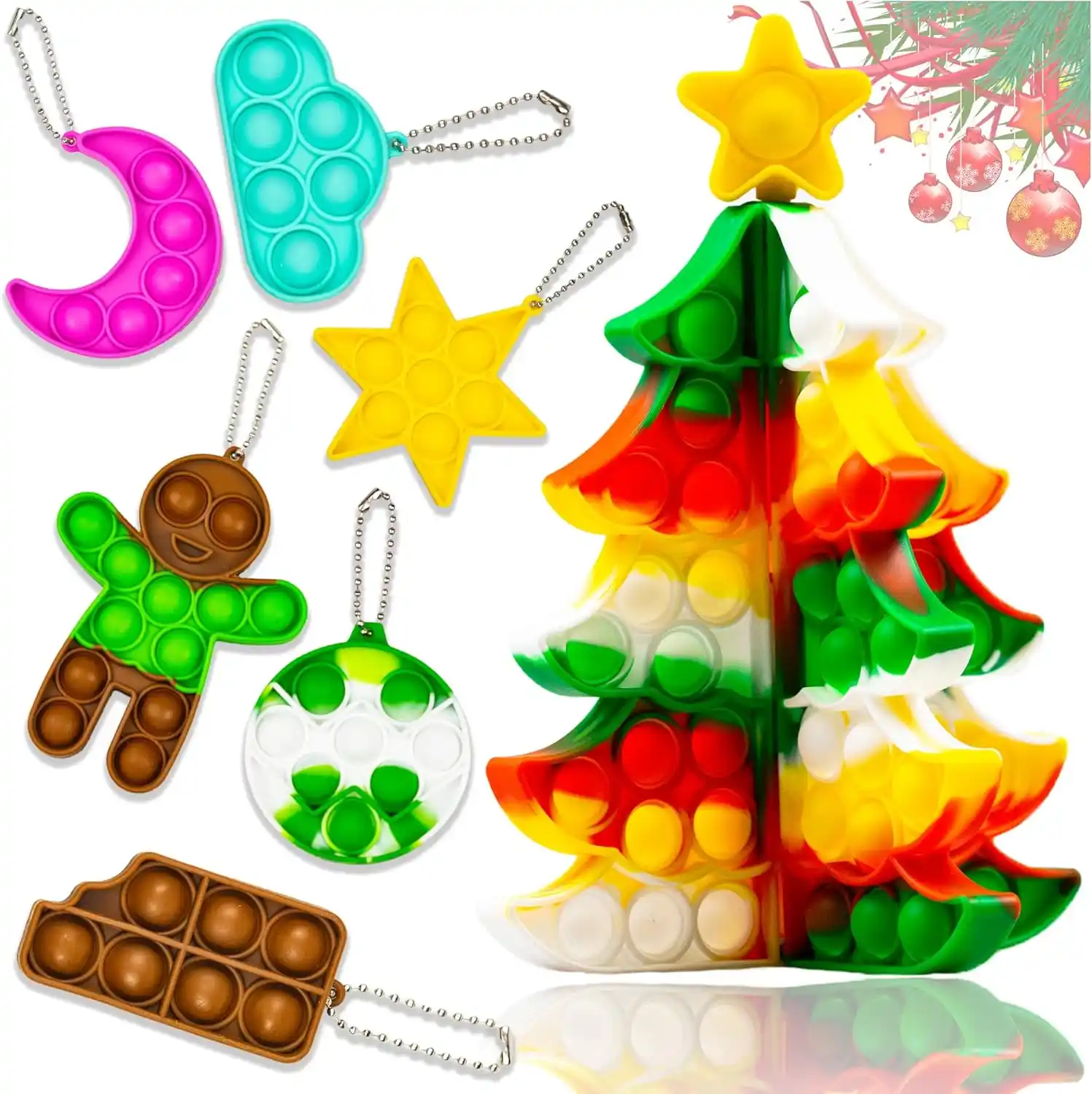
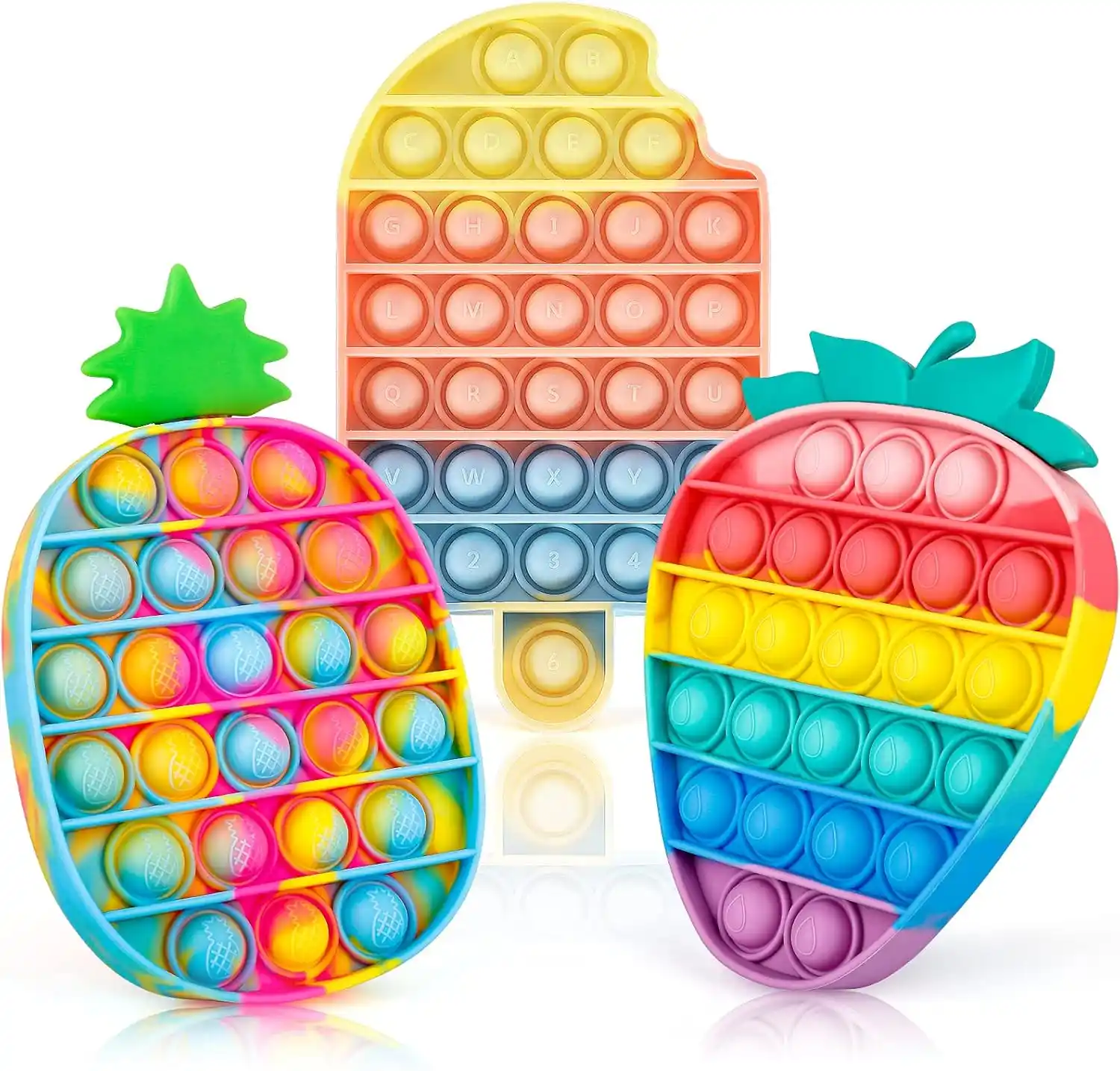
- Pop-its and bubble toys
- Fidget cubes with clicking buttons
- Spinners
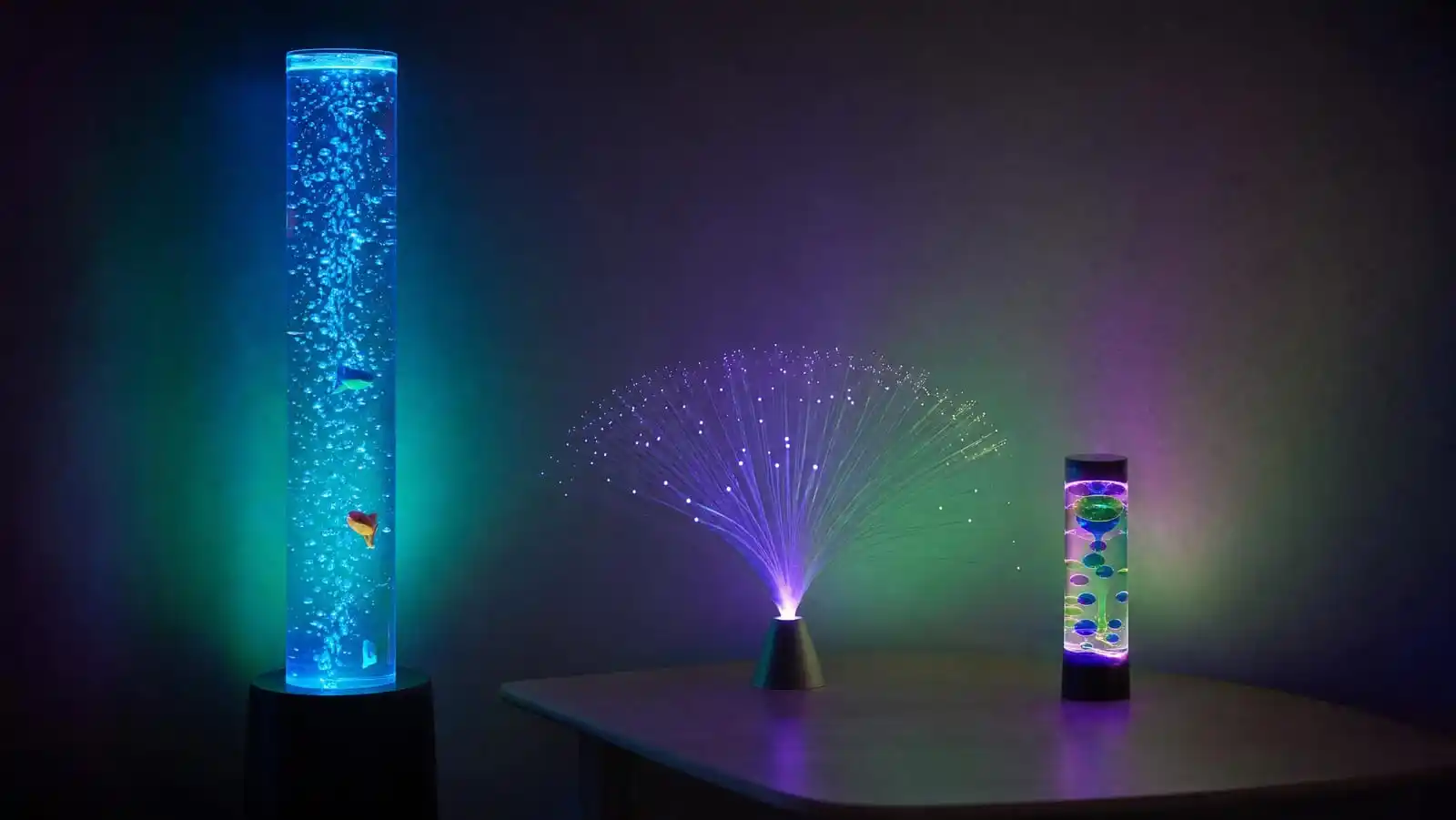
For Children Who Seek Visual Input
- Glitter wands
- Liquid motion toys
- Color-changing putty
Many children benefit from having several types available to match their needs in different situations.
Making Fidget Toys Work
The toy alone isn't magic. How you introduce and use it matters:
Teach Before They Need It
Don't wait until your child is in crisis to introduce a fidget tool. Practice using it during calm moments so it becomes familiar and associated with relaxation before stress hits.
Create Cues
Help your child recognize their early signs of stress ("butterflies in tummy," "brain won't stop"). Connect these cues to reaching for their fidget tool. "When you feel butterflies, that's a good time to use your pop-it."
Allow Without Shame
Children shouldn't feel embarrassed about needing sensory support. Normalize fidget use in your family: "Everyone's brain is different. This is a tool that helps your brain calm down, just like glasses help some people see."
Collaborate with School
If your child would benefit from fidgets at school, work with teachers to establish appropriate guidelines. Many schools now accommodate sensory tools when they understand the purpose.
Don't Overpromise
Fidgets are one tool, not a cure-all. They work best as part of a broader approach to supporting your child's emotional well-being. Manage expectations while still validating their helpfulness.
When to Seek More Support
Fidget toys help with everyday stress and manageable anxiety. If your child's anxiety significantly impacts daily functioning, seek support from a pediatrician or mental health professional. Fidgets can complement professional treatment but shouldn't replace it when more help is needed.
Empowering Your Child
The goal isn't just to calm your child in the moment but to help them develop their own coping toolkit. Fidget toys can be a child's first experience of successfully managing difficult emotions, building confidence that they can handle what life brings.
When you find the right fidget tools and teach your child to use them effectively, you're giving them more than a toy. You're giving them power over their own nervous system, and that's a gift that keeps giving long after childhood. For children who also benefit from oral input during stressful moments, explore our oral sensory toys guide.