Back to Home

Autism-Friendly Painting Toys That Build Fine Motor Skills

Sensory Toy Space Team
Share:
This post may contain affiliate links. Click here to read my affiliate policy.

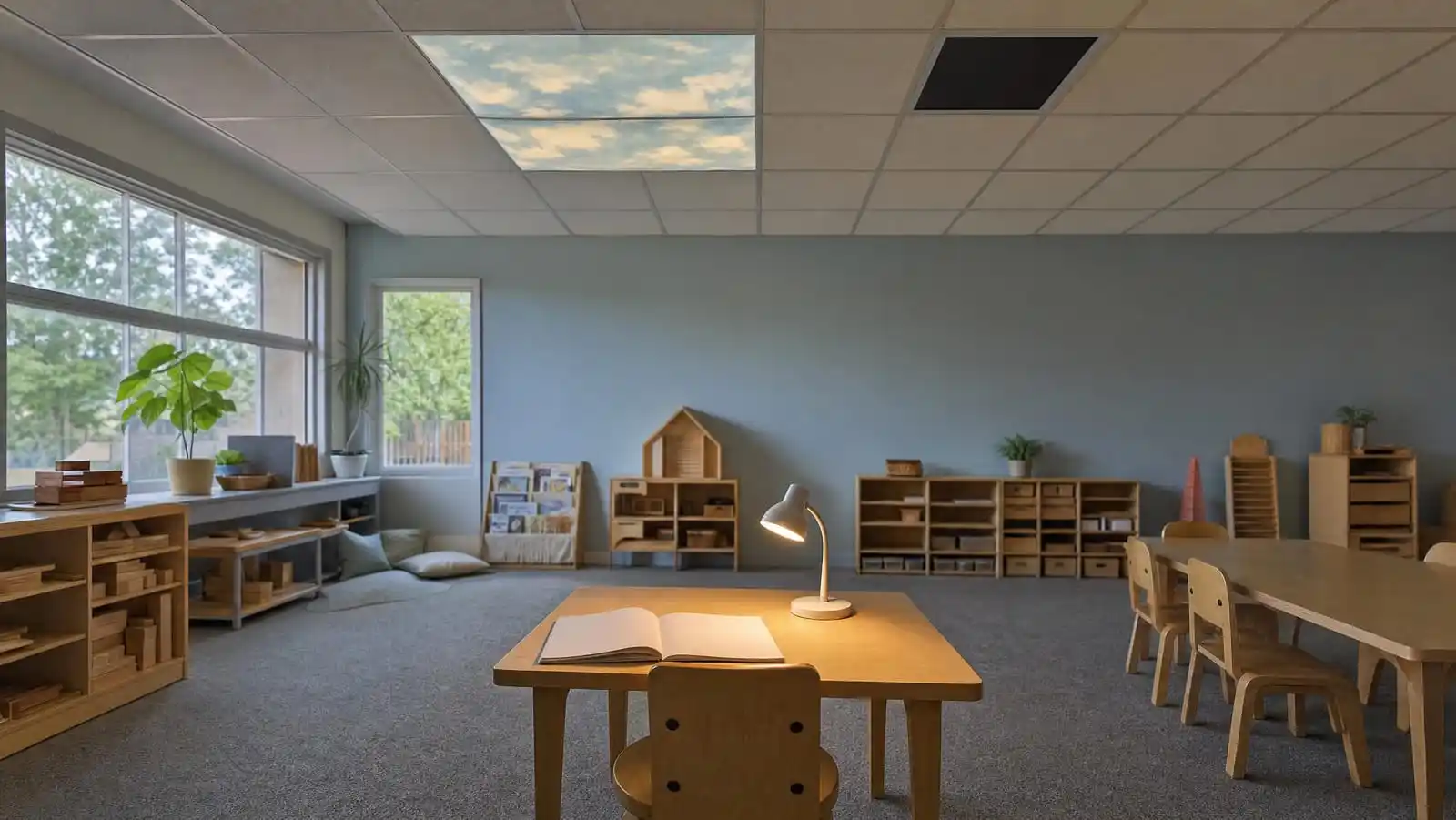
Painting might seem like a messy, chaotic activity, but for children with autism, it can be a powerful tool for developing fine motor skills, sensory processing, and self-expression. The key lies in choosing the right supplies and setting up the experience for success. For a broader look at tactile activities, check out our complete tactile sensory toys guide.

How Painting Builds Fine Motor Skills

Every brush stroke exercises the small muscles of the hand and develops the coordination needed for countless daily tasks:

Grip Strength and Control

Holding a paintbrush requires sustained grip, building the hand strength needed for pencil control and self-care tasks. Different brush sizes challenge different aspects of grip, from whole-hand grasping to refined pincer grip.

Wrist and Arm Coordination

Painting involves the entire arm, from shoulder to fingertips. Broad strokes build proximal stability (shoulder and upper arm strength), while detailed work develops the distal control (wrist and finger precision) needed for writing.

Visual-Motor Integration

Painting requires coordinating what the eyes see with what the hands do. This visual-motor integration is foundational for academic tasks like copying from the board and aligning numbers in math problems.

Bilateral Coordination

Holding paper steady with one hand while painting with the other builds the bilateral coordination needed for activities like cutting with scissors and tying shoes.

Making Painting Autism-Friendly

Traditional painting setups can present challenges for children with autism. Here's how to modify for success:

Address Sensory Concerns

Texture: Some children dislike the wet sensation of paint. Start with thick, finger-paint consistency or try alternative tools like sponges or stamps that minimize direct contact. Sensory bins with water beads offer another way to explore textures with more control.

Smell: Some paints have strong odors. Choose low-odor or unscented options, and ensure good ventilation.

Visual: Bright colors can be stimulating. If your child is easily overwhelmed, start with neutral or pastel tones.

Clean-up: Many children find the sensation of washing paint off their hands distressing. Have wet wipes ready for quick clean-up, and consider smocks or old clothes to reduce anxiety about mess.

Create Structure

Designated Space: A specific painting area signals that it's art time and helps with transitions.

Clear Boundaries: Use a mat or tray to define where painting happens. Some children do better with an easel that creates a vertical boundary.

Organized Supplies: Arrange paints in a consistent order. Use labeled containers so children know where things belong.

Visual Schedules: Show the steps of painting time (setup, paint, clean-up) if your child benefits from knowing what to expect.

Reduce Pressure

Process Over Product: Focus praise on effort and exploration rather than the finished result.

No Wrong Way: Avoid correcting techniques unless there's a safety concern. Children learn through experimentation.

Choice Within Structure: Offer limited choices ("Do you want to use blue or green first?") rather than open-ended options.

Progressive Skill Building

Start where your child is and build gradually:

Stage 1: Exploration

Focus on sensory experience and basic grip. Use dot markers, sponges, or finger painting (if tolerated). No expectations for recognizable images.

Stage 2: Large Motor Painting

Introduce brushes with thick handles. Encourage big arm movements on large paper. Practice vertical strokes, horizontal strokes, and circles.

Stage 3: Controlled Strokes

Work on staying within boundaries, like painting a large shape. Introduce smaller brushes as grip develops. Practice stopping and starting.

Stage 4: Detailed Work

Paint smaller areas. Add details to pictures. Introduce different brush types for various effects.

Beyond the Easel

The skills built during painting transfer broadly:

  • Writing Readiness: The grip strength, coordination, and visual-motor skills prepare children for handwriting
  • Self-Regulation: Painting can become a calming activity that children choose independently
  • Self-Expression: Non-verbal children can communicate through their artwork
  • Pride and Accomplishment: Displaying finished paintings builds self-esteem

With the right approach and autism-friendly supplies, painting becomes more than an art activity. It's a therapeutic tool that builds skills, provides sensory input, and creates opportunities for connection and self-expression. For younger children just starting their sensory journey, explore our best tactile toys for toddlers.
Product Reviews

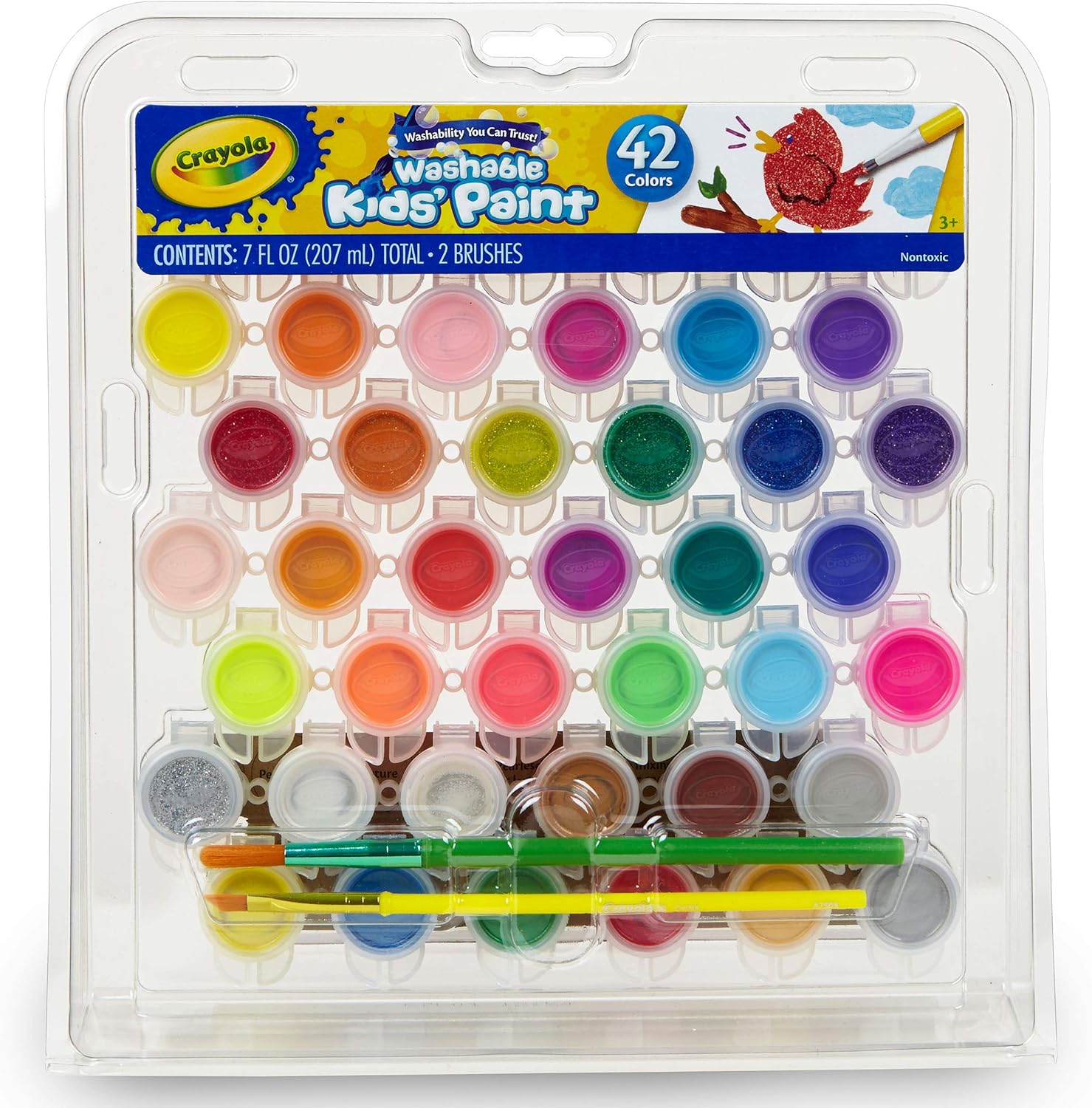
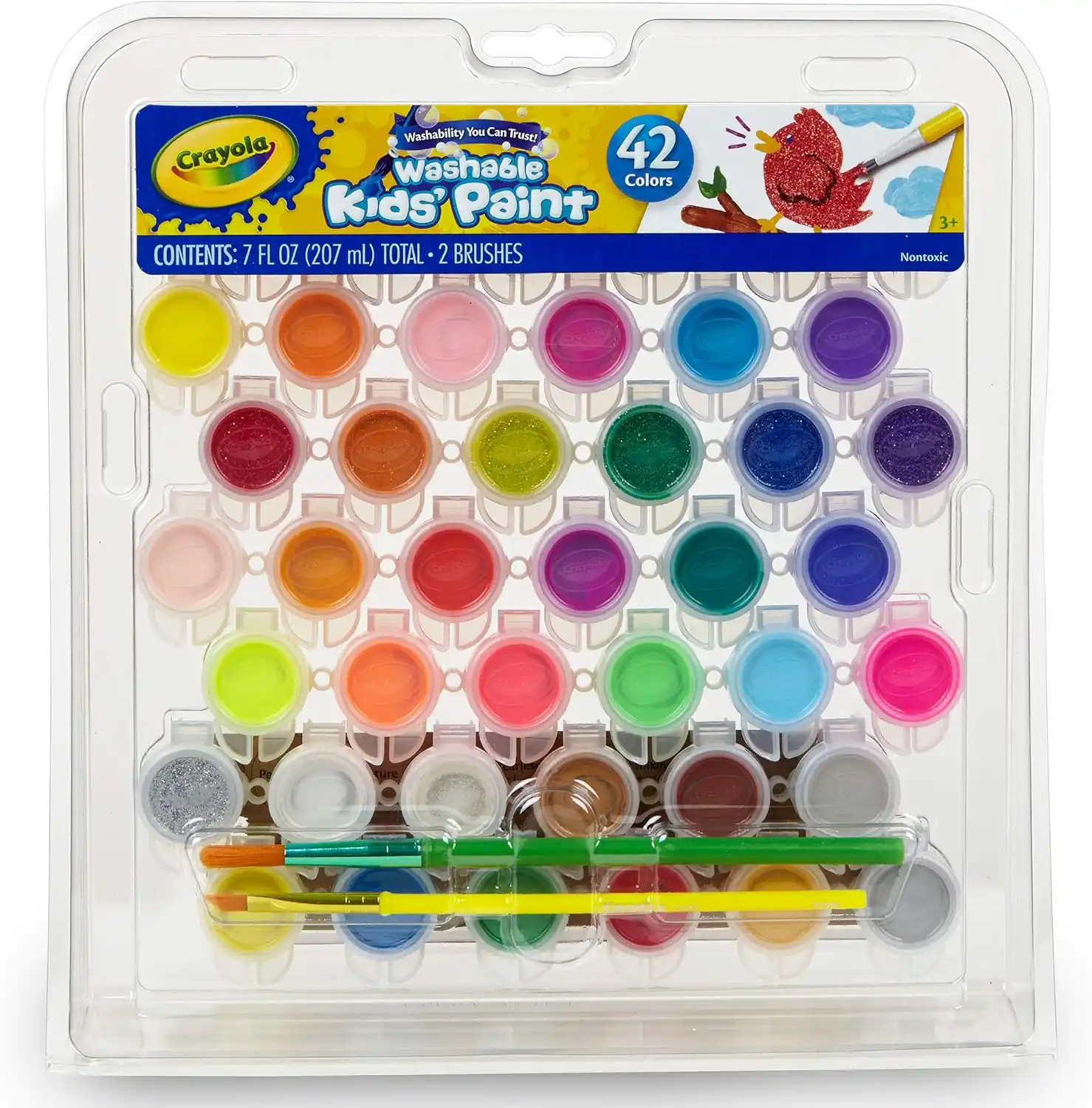
Crayola 42-Color Washable Paint Set - Best Comprehensive Set

This extensive paint set offers 42 colors plus a storage container that doubles as a mixing tray, providing everything needed for meaningful painting experiences. The washable formula addresses parents' biggest concern, allowing children to explore freely without permanent consequences.

The variety of colors supports color recognition and mixing experimentation, while the organized container helps children with autism who prefer knowing where things belong. Each paint bottle is designed for easy squeezing, accommodating various grip strengths and styles.

What We Like

"The washable aspect has been a lifesaver. My son used to get so anxious about making a mess that he refused to paint. Now he can relax and enjoy it knowing everything cleans up easily."

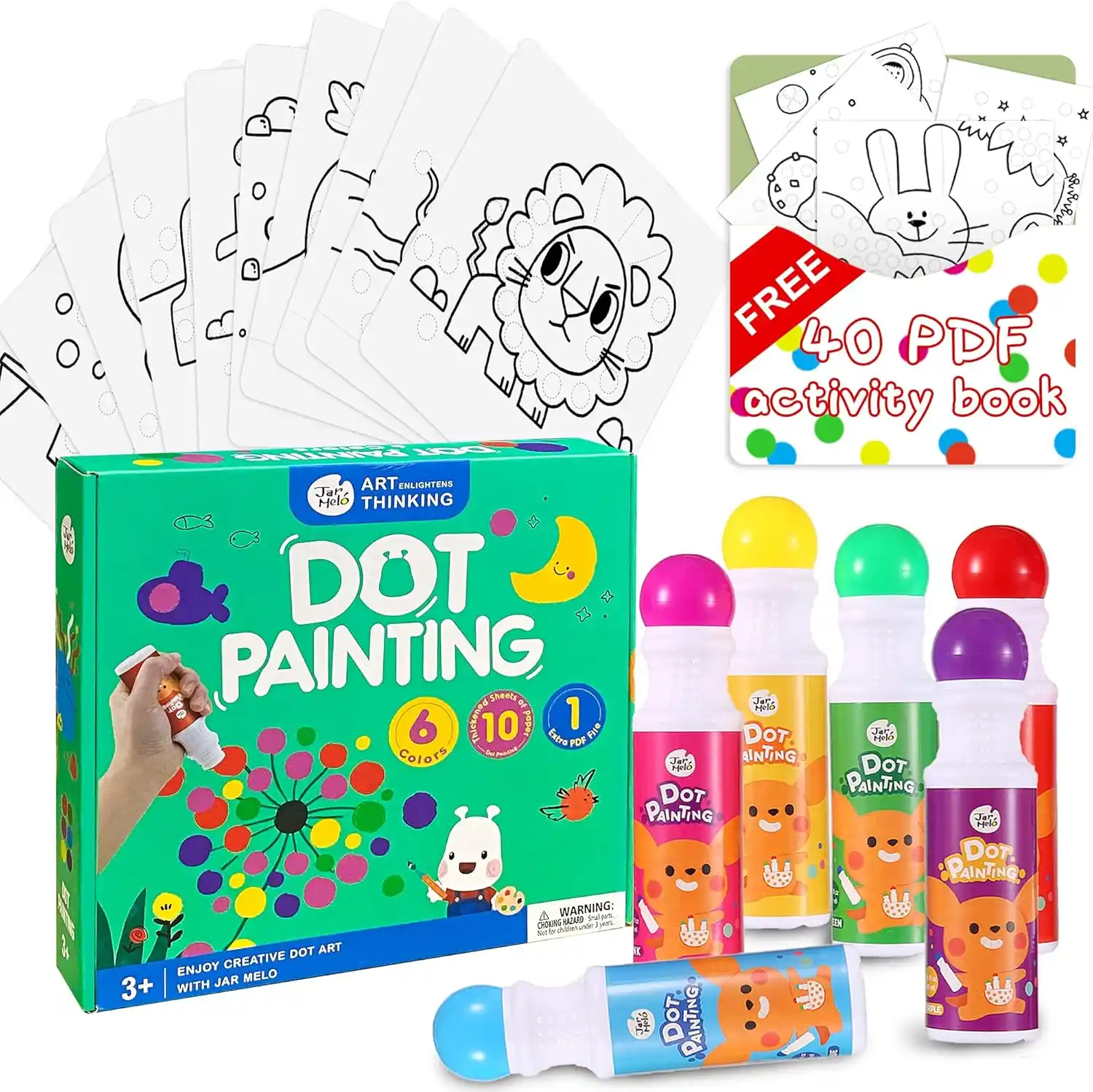
Jar Melo Dot Markers Kit - Best for Beginning Painters

Dot markers eliminate the challenges of traditional painting while delivering the same fine motor benefits. The chunky, easy-grip design works for children with various grip abilities, and the simple dabbing motion builds strength without complex coordination demands.

The included activity book provides structured guidance, perfect for children who feel overwhelmed by blank paper. The 6-color set is manageable without being limiting, and the washable formula ensures worry-free exploration.

What We Like

"These were our gateway to painting! My daughter couldn't manage brushes, but these dot markers let her participate in art time. She's now transitioning to regular paint."

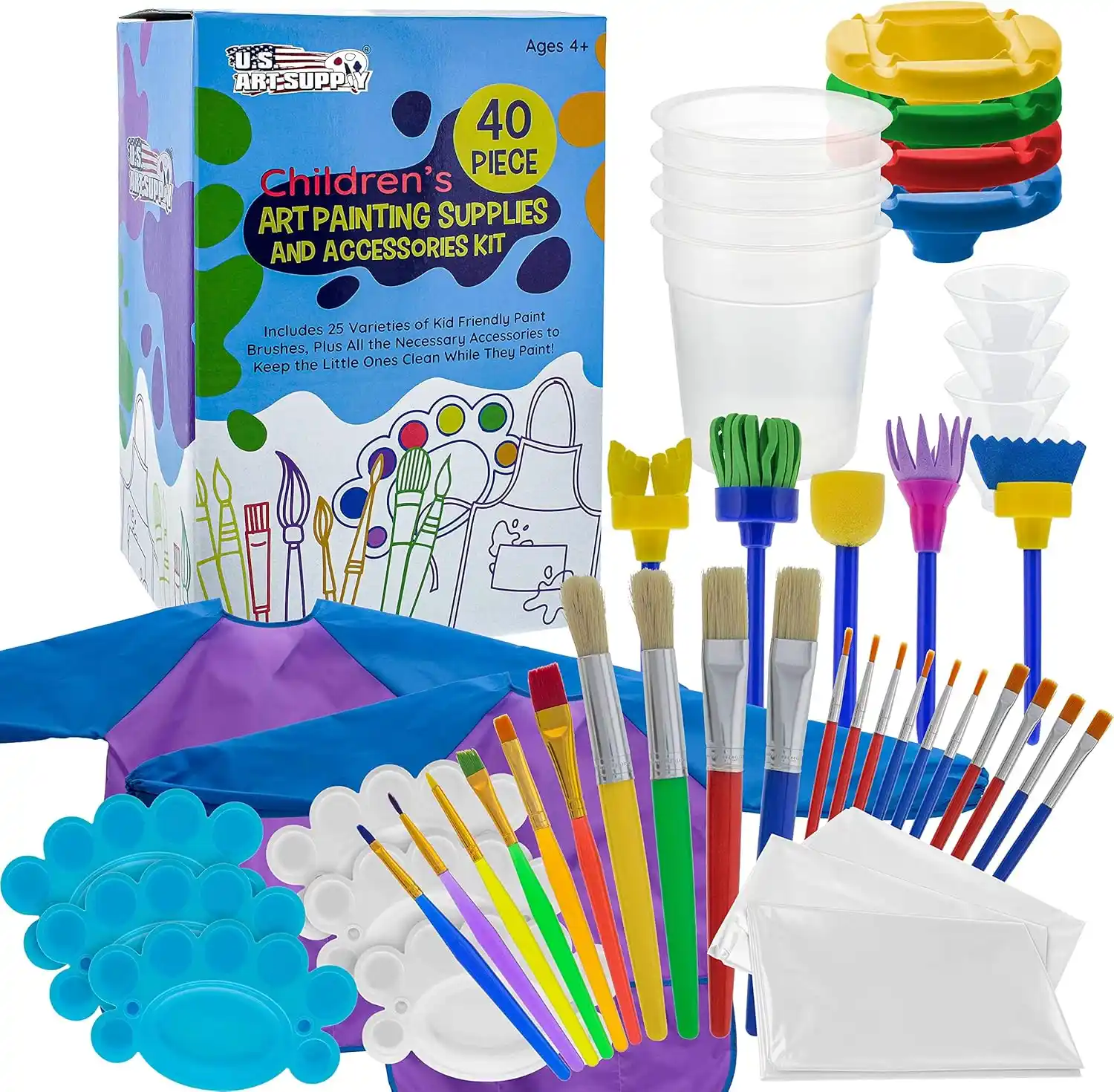
U.S. Art Supply 40-Piece Kit - Best Tool Variety

This comprehensive kit focuses on the tools rather than just the paint. With 25 kid-friendly paintbrushes in various sizes and shapes, children can experiment to find what feels comfortable in their hands. Different brush types also create different effects, supporting sensory exploration.

The four spill-proof paint cups with color-coded lids prevent accidents and support organization. This kit is ideal for occupational therapy settings or structured home practice focused on fine motor development.

What We Like

"Having so many brush options helped us discover what works for my son. He struggles with thin handles but does great with the chunky foam brushes."

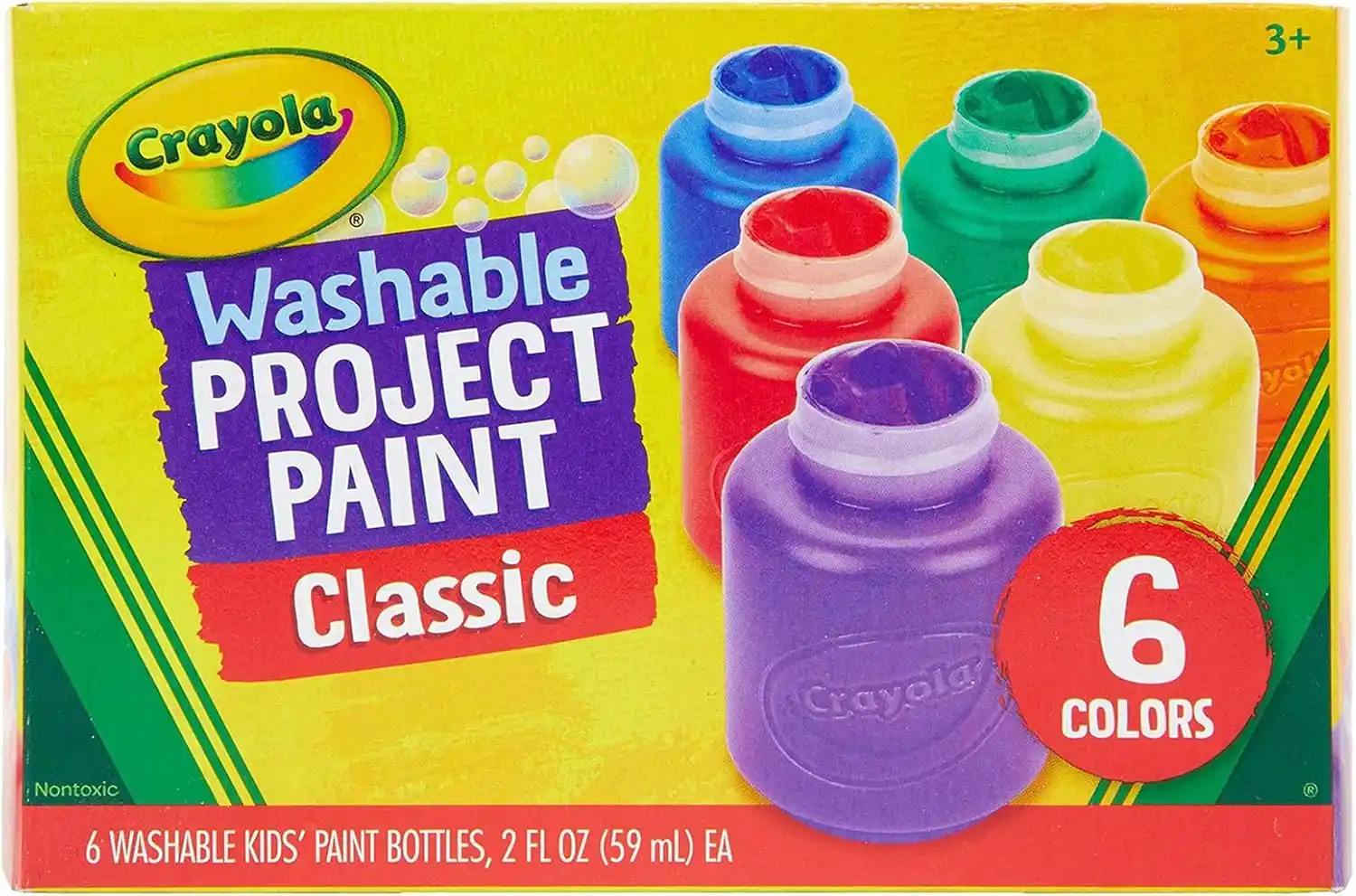
Crayola Washable Kids Paint 6-Count - Best Simple Set

Sometimes less is more. This classic 6-color set of primary and secondary colors provides just enough options without overwhelming children who struggle with too many choices. The colors can be mixed to create others, introducing color theory through hands-on experimentation.

The washable, non-toxic formula is the same trusted Crayola quality that has supported generations of young artists. Bottles are designed for easy squeezing and can be refilled, making this an economical choice for regular painting practice.

What We Like

"We started with this basic set and it was perfect. My daughter learns better with fewer options, and mixing colors has become her favorite part of painting."

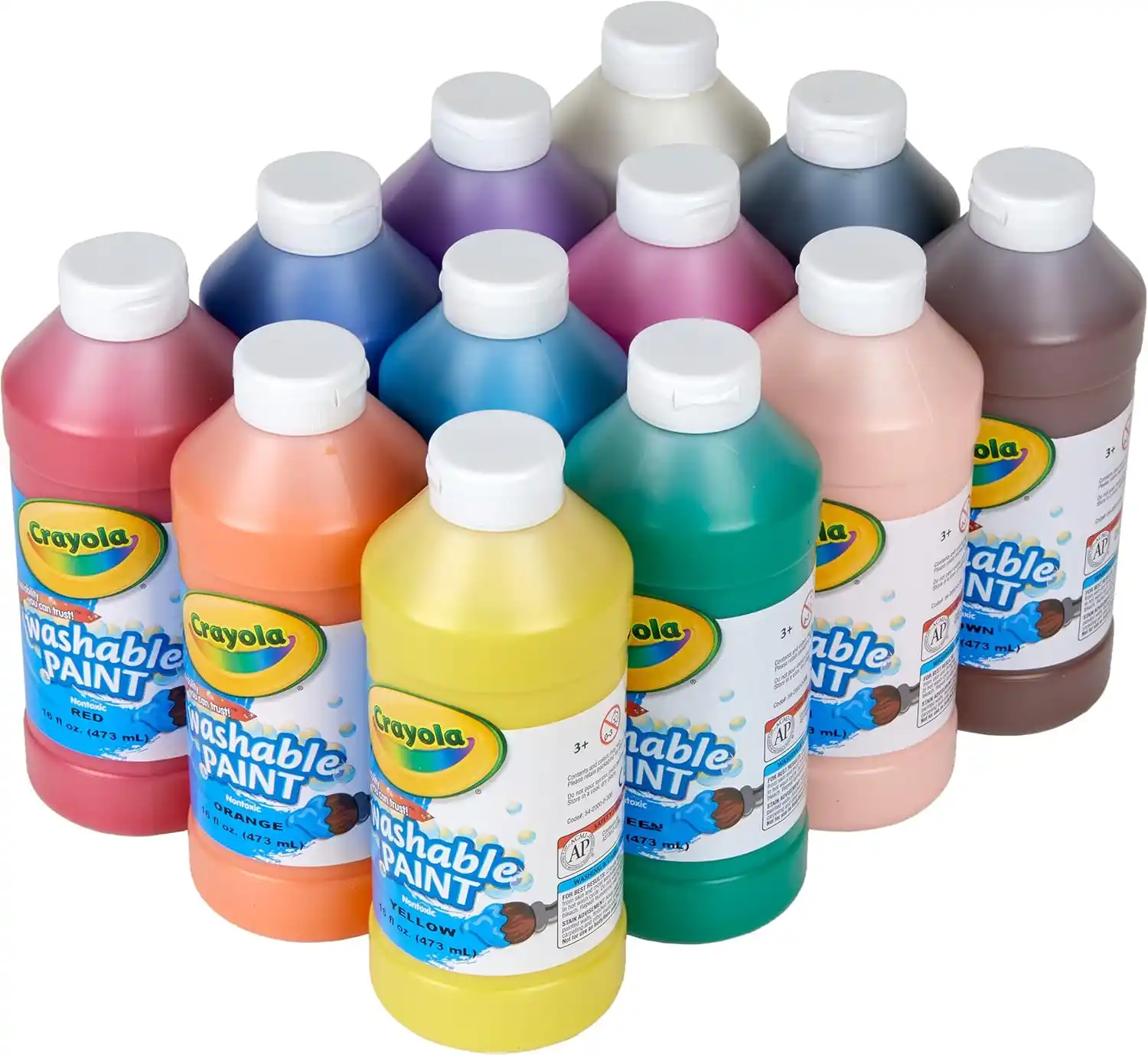
Crayola Washable Paint 12-Count - Best Mid-Range Option

For children ready to move beyond basic colors but not quite ready for extensive sets, this 12-count offers the perfect middle ground. The assortment includes bright, vibrant shades that inspire creativity while remaining manageable.

Easy-squeeze bottles with flip-top caps support independence and reduce frustration. The colors are specifically formulated to produce striking artwork that children can be proud of, building confidence and motivation for continued practice.

What We Like

"This is our go-to set now. It's enough variety to keep my son interested but not so many colors that he gets overwhelmed trying to choose."

Quick Comparison

Editor's Choice

Crayola 42 Color Washable Paint Set Best Comprehensive Set

Cover Image for Crayola 42-Color Washable Paint Set - Best Comprehensive Set

Check price on Amazon

This extensive paint set offers 42 colors plus a storage container that doubles as a mixing tray, providing everything needed for meaningful painting experiences.

Best for Beginners

Jar Melo Dot Markers Kit Best for Beginning Painters

Cover Image for Jar Melo Dot Markers Kit - Best for Beginning Painters

Check price on Amazon

Dot markers eliminate the challenges of traditional painting while delivering the same fine motor benefits.

Best Tool Variety

U S Art Supply 40 Piece Kit Best Tool Variety

Cover Image for U.S. Art Supply 40-Piece Kit - Best Tool Variety

Check price on Amazon

This comprehensive kit focuses on the tools rather than just the paint.

The Occupational Therapy Perspective

Occupational therapists frequently incorporate painting into treatment plans for children with autism. The activity addresses multiple therapeutic goals simultaneously: fine motor strength, bilateral coordination, visual-motor integration, and sensory processing.

The key to therapeutic painting is matching the tools and expectations to the child's current abilities. Starting with gross motor movements (large arm sweeps) and gradually progressing to finer control creates a foundation for success. The emphasis should always be on the process rather than the product.

About the Author

Sensory Toy Space Team

Our team of child development specialists and sensory product researchers is dedicated to helping parents find the best toys and tools for children with autism, ADHD, and sensory processing differences.

Read Next

1 min read

Bedtime Anxiety and Sensory Tools That Help

*This article contains affiliate links. We may earn a commission if you make a purchase through our links, at no extra cost to you.*
Sensory Toy Space Team

Crayola 42-Color Washable Paint Set - Best Comprehensive Set

Check price on Amazon
View on Amazon