Back to Home

Must-Have Sculpting Toys That Build Fine Motor Skills for Children With Autism

Sensory Toy Space Team
Share:
This post may contain affiliate links. Click here to read my affiliate policy.

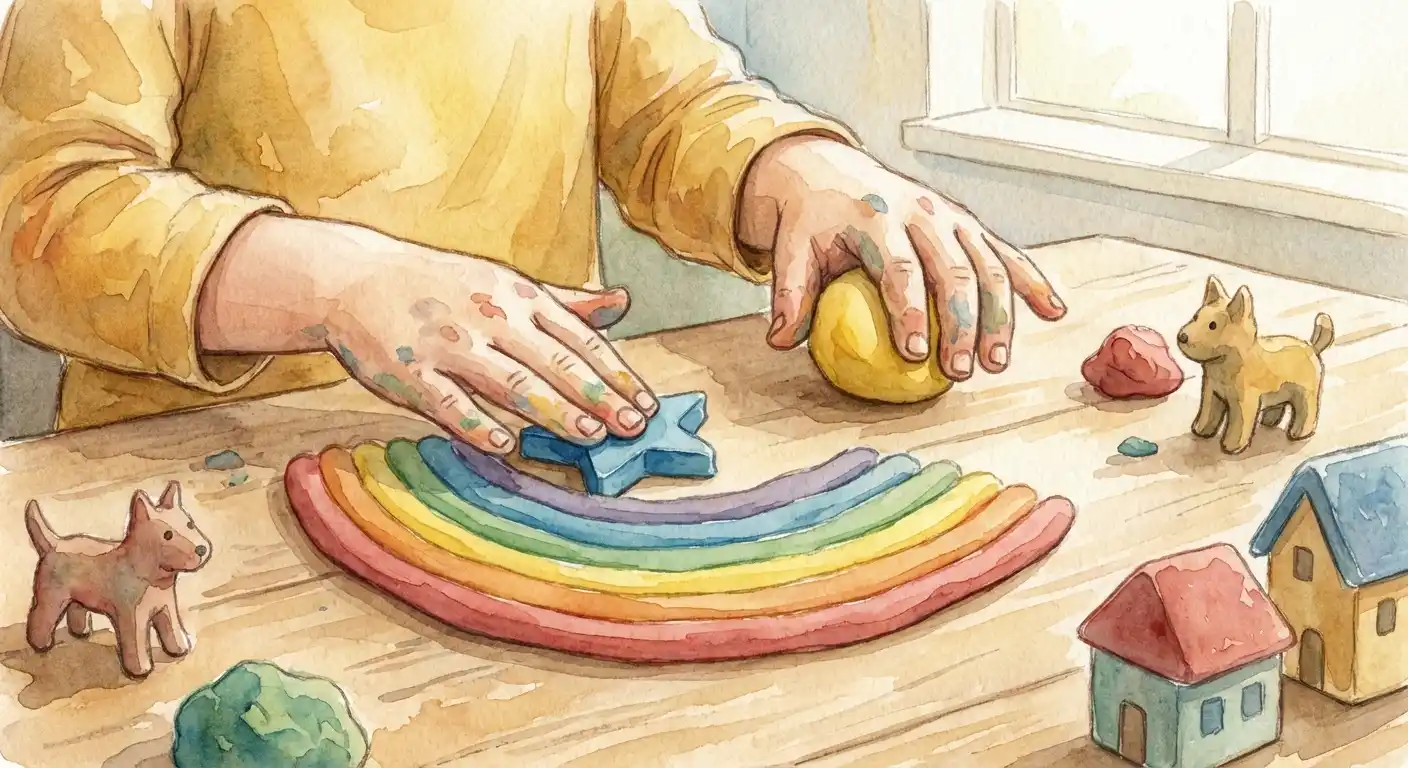
There's something almost magical about watching a child transform a lump of clay into something meaningful. For children with autism, sculpting toys offer far more than creative expression. They're therapeutic tools that build the hand strength, coordination, and motor planning skills needed for countless daily tasks. For more options, see our guide to therapy putty and sensory dough.

Why Sculpting Works for Children with Autism

Sculpting engages multiple developmental areas simultaneously, making it an efficient and enjoyable therapy tool:

Fine Motor Strength Building

Every pinch, roll, and press works the small muscles of the hands and fingers. Unlike many fine motor activities that can feel like "work," sculpting disguises the exercise as play. The natural resistance of clay provides feedback that helps children understand how much force to apply, a skill that transfers to activities like writing and buttoning.

Proprioceptive Input

The deep pressure from pushing and manipulating clay provides proprioceptive input that many children with autism crave. This type of sensory feedback helps organize the nervous system and can support attention and emotional regulation. Children who seek out squeezing, pushing, or crashing activities often find sculpting deeply satisfying. Learn more about this in our article on deep pressure vs light touch tactile input.

Motor Planning Practice

Creating a specific shape requires planning and sequencing. Children must visualize what they want to create, then execute the steps in order. This motor planning practice supports the development of praxis, the ability to conceive, plan, and execute unfamiliar movements.

Bilateral Coordination

Sculpting naturally requires using both hands together, often in different roles (one hand stabilizes while the other shapes). This bilateral coordination is essential for many daily tasks and academic activities.

Choosing the Right Sculpting Material

Not all clays are created equal, and the right choice depends on your child's sensory profile and developmental level:

Air-Dry Clay

Best for: Children who want permanent creations without the complexity of baking Sensory profile: Smooth, pliable, dries hard Considerations: Requires working within a session before drying; finished pieces can be painted

Polymer Clay

Best for: Older children or those with supervision; creating permanent, detailed pieces Sensory profile: Smooth, firm, holds detail well Considerations: Requires oven baking; adult supervision recommended

Play-Doh and Similar

Best for: Younger children, sensory exploration, open-ended play Sensory profile: Soft, squishy, distinct smell Considerations: Dries out if left exposed; not meant for permanent creations

Kinetic Sand

Best for: Children who dislike the texture of traditional clay Sensory profile: Grainy but moldable, doesn't stick to hands Considerations: More limited in what can be created; mess potential

Making Sculpting Successful

Set your child up for success with these strategies:

Create a Dedicated Space

A designated sculpting area signals that it's time for this activity and reduces anxiety about transitions. Use a mat or tray to contain materials and define the workspace clearly.

Start with Structure

Some children feel overwhelmed by open-ended creative tasks. Provide templates, step-by-step projects, or themes to follow. As comfort grows, gradually introduce more freedom.

Respect Sensory Preferences

If your child dislikes the texture of wet clay, try air-dry varieties that are less sticky. If they're sensitive to smell, avoid scented options. Match the material to your child's sensory profile.

Focus on Process, Not Product

The therapeutic benefits come from the doing, not the result. Resist the urge to correct or direct unless your child asks for help. A lopsided dinosaur still built hand strength.

Allow Repetition

Children with autism often find comfort in repetition. If your child wants to make the same thing every time, that's okay. The skills still build, and they may branch out when they're ready.

Beyond the Clay Table

The skills developed through sculpting ripple into many areas of life:

  • Handwriting: Stronger hand muscles and better motor control support pencil grip and letter formation
  • Self-Care: Buttons, zippers, and shoelaces all require the fine motor skills built through sculpting
  • Emotional Regulation: Children learn they can use sculpting as a calming strategy when stressed
  • Pride and Confidence: Creating something tangible builds self-esteem

Sculpting toys are investments in your child's development that feel like play. Choose materials that match your child's preferences, create a supportive environment, and watch as simple clay transforms into a powerful tool for growth. Explore more tactile options in our complete tactile sensory toys guide.
Product Reviews

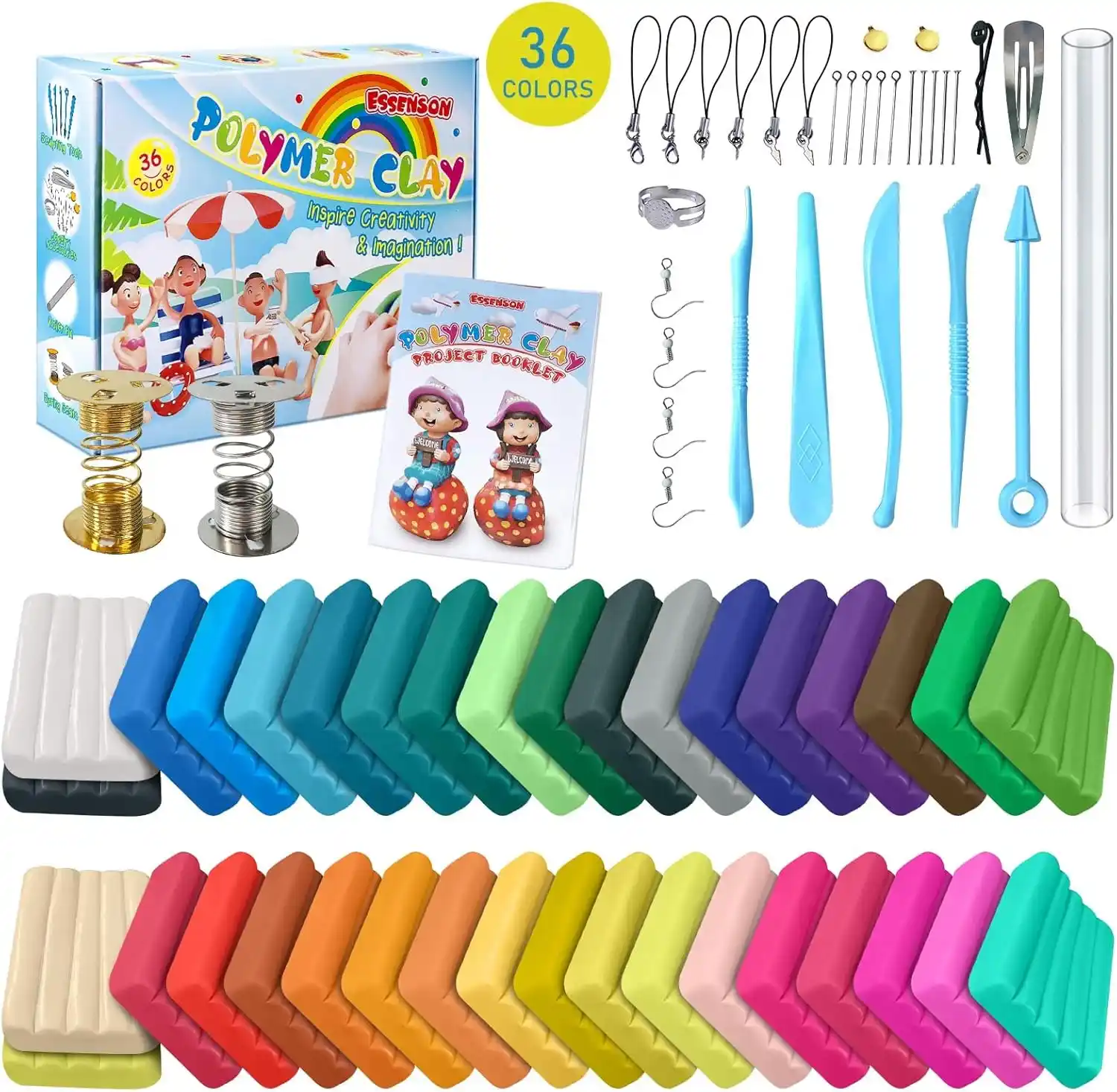
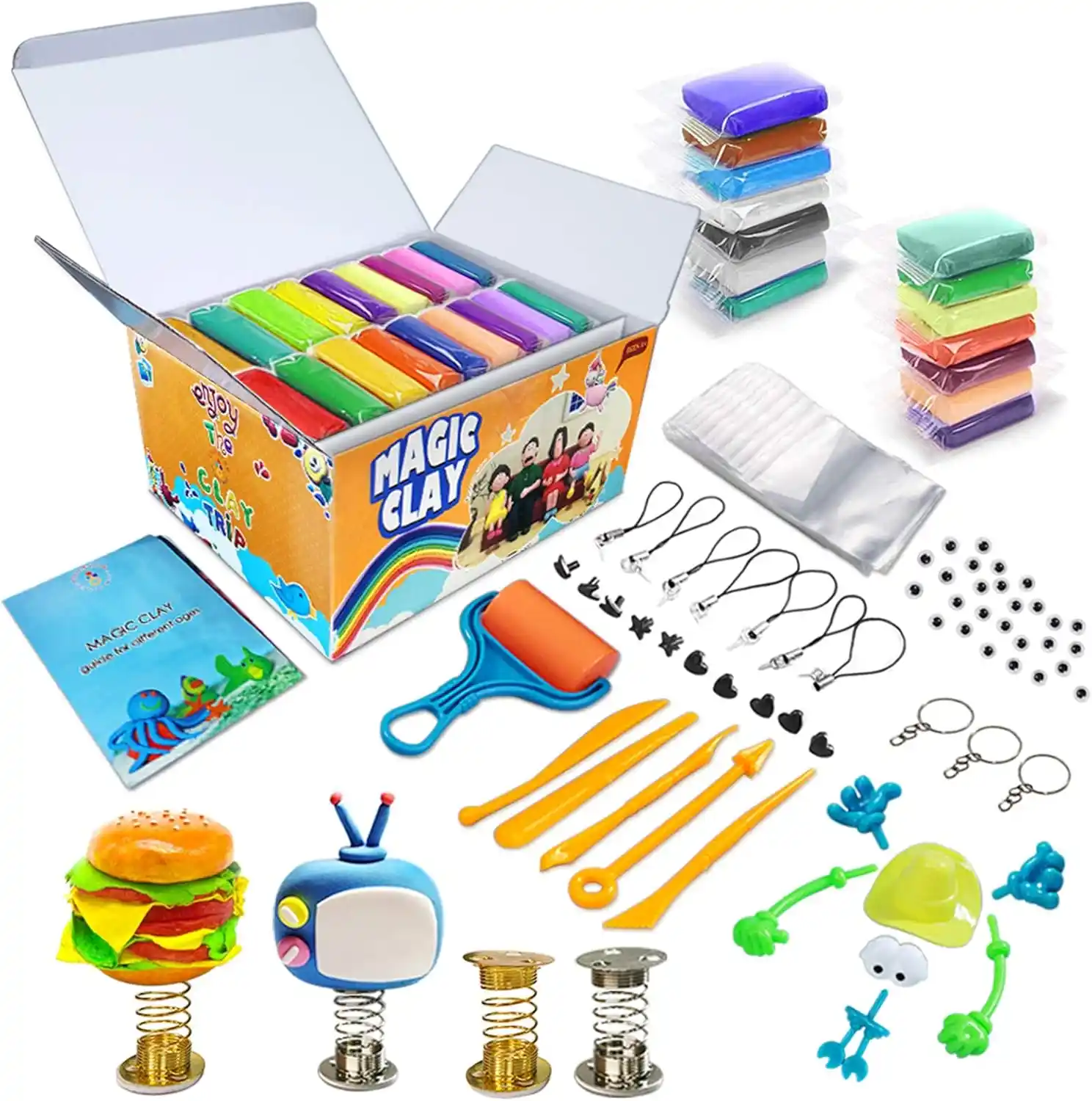
ESENSON 36-Color Air Dry Clay Kit - Best Overall Value

This comprehensive kit offers everything needed for hours of sculpting therapy. The 36 vibrant colors provide endless creative possibilities, while the included tools (6 sculpting implements, 4 spring chairs, and 47 accessories) give children multiple ways to manipulate the clay.

Air-dry clay eliminates the need for baking, making it safer and more accessible. The clay is soft enough for small hands to manipulate without excessive effort, but firm enough to hold its shape. Finished creations can be displayed proudly, providing lasting evidence of a child's work.

What We Like

"The variety of colors keeps my son engaged for so long. His occupational therapist says she can see the improvement in his hand strength after just a few weeks of regular play!"

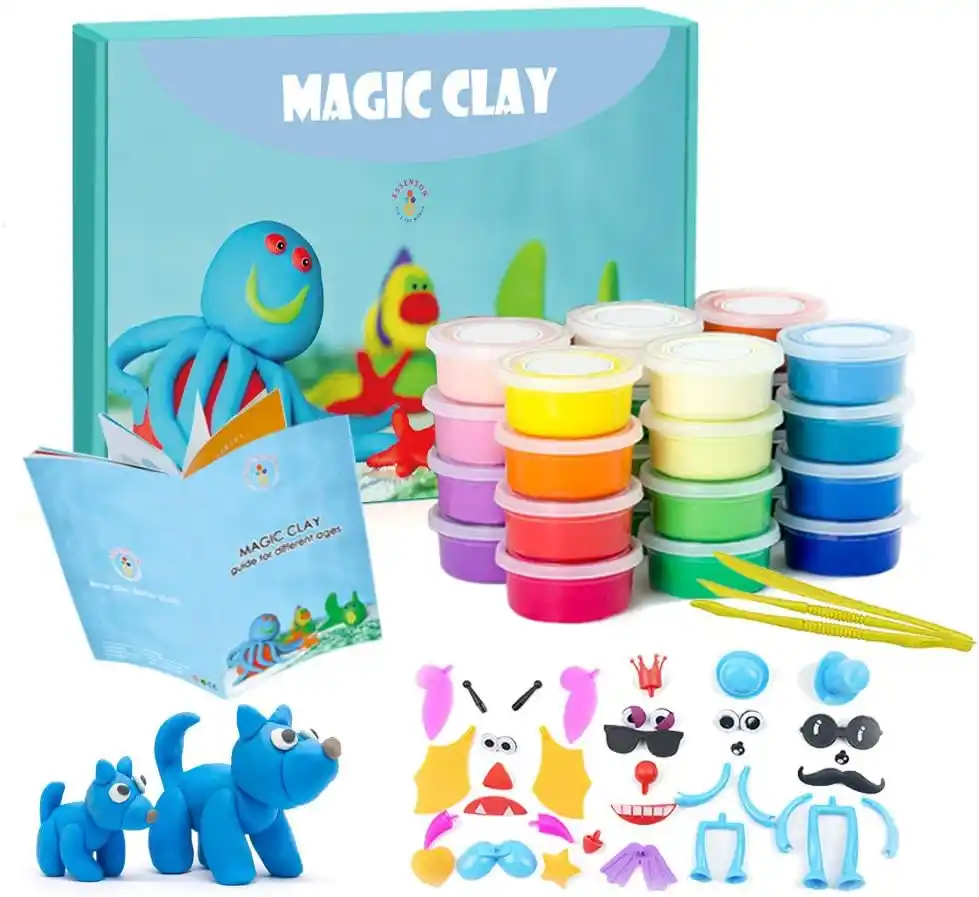
Magic Clay 24-Color Set - Best for Beginners

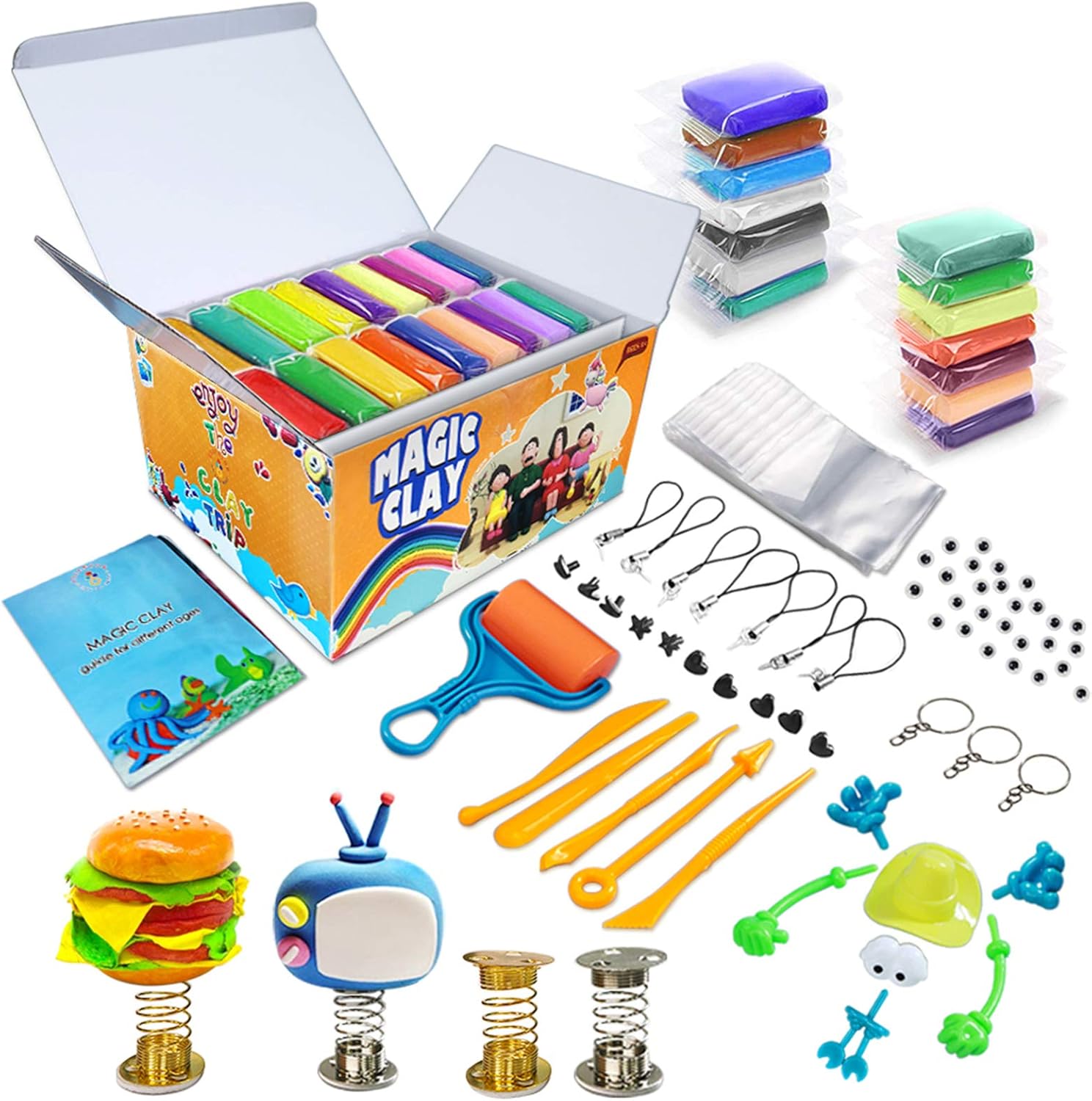
Perfect for children just starting their sculpting journey, this 24-color set offers a manageable selection without overwhelming. The included project handbook provides step-by-step instructions for various creations, offering structure for children who benefit from clear guidance.

The ultra-light formula is exceptionally easy to manipulate, reducing hand fatigue and frustration. Each color comes in an individual packet to prevent mixing and maintain organization, which many children with autism find comforting.

What We Like

"The project book was exactly what my daughter needed. She doesn't like open-ended activities, so having instructions to follow makes sculpting accessible for her."

50-Color Polymer Clay Set - Best for Advanced Sculptors

For children who have developed their skills and are ready for more permanent creations, this polymer clay set offers professional-quality results. The 50-color palette supports detailed work, while the oven-bake formula creates lasting keepsakes.

The soft, non-stick formula shapes easily without leaving residue on hands or surfaces. This set is ideal for making jewelry, keychains, and art pieces that children can gift or display, building pride and motivation for continued practice.

What We Like

"My son made gifts for his whole family last Christmas. The pride on his face when he gave them out was priceless. This clay holds detail beautifully."

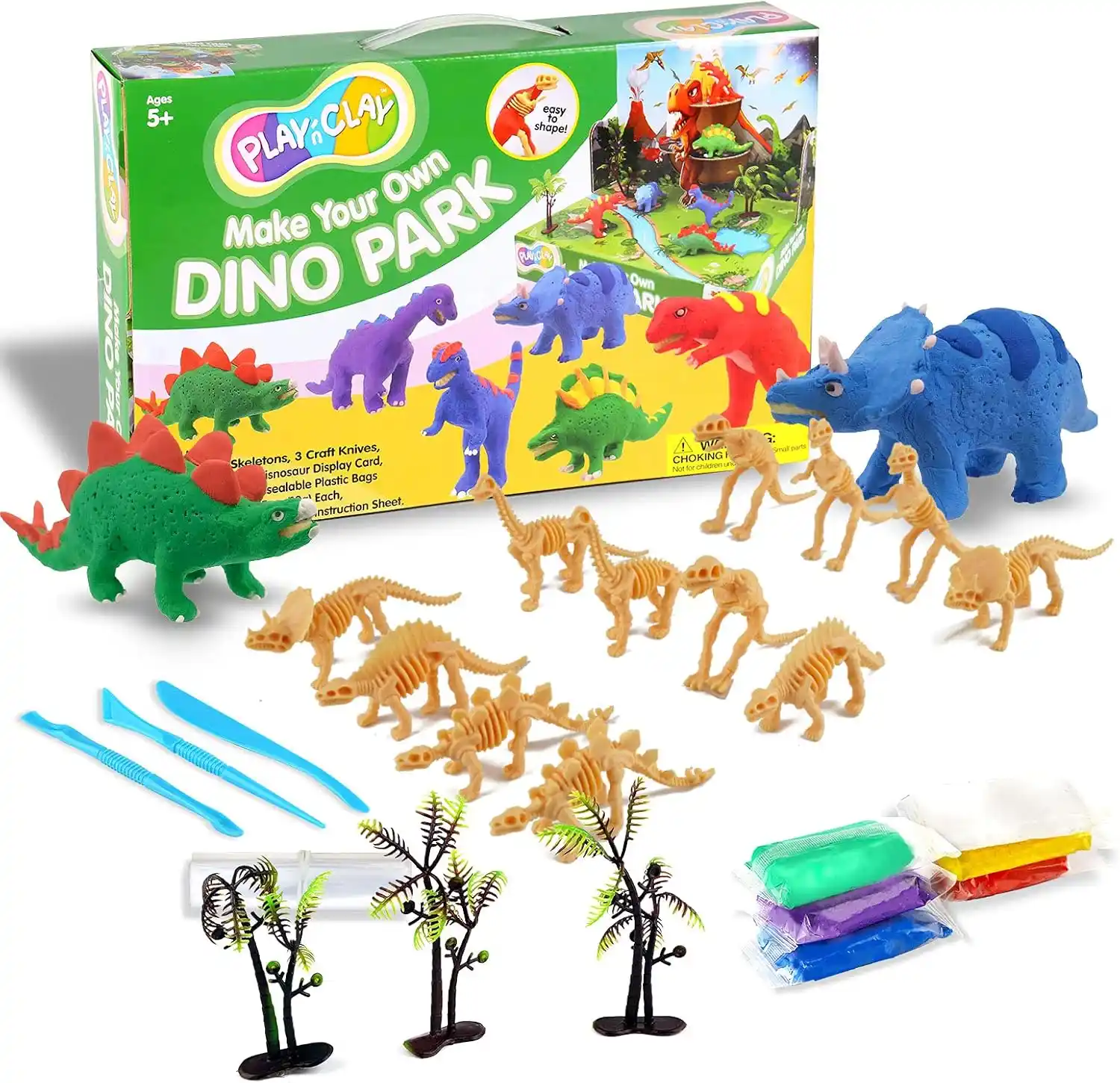
TBC Dinosaur Park Clay Set - Best Themed Kit

For dinosaur enthusiasts, this themed set provides structured sculpting with a beloved subject. The kit includes materials to create 6 dinosaur models with a display stand and information cards, combining fine motor practice with learning.

The non-toxic air-dry clay is safe for young sculptors, and the themed approach provides motivation for children who might otherwise resist craft activities. Completed dinosaurs can spark imaginative play and even social interaction with siblings or peers.

What We Like

"My dinosaur-obsessed son actually asks to do clay now! Before this set, he refused any sculpting activities. The theme made all the difference."

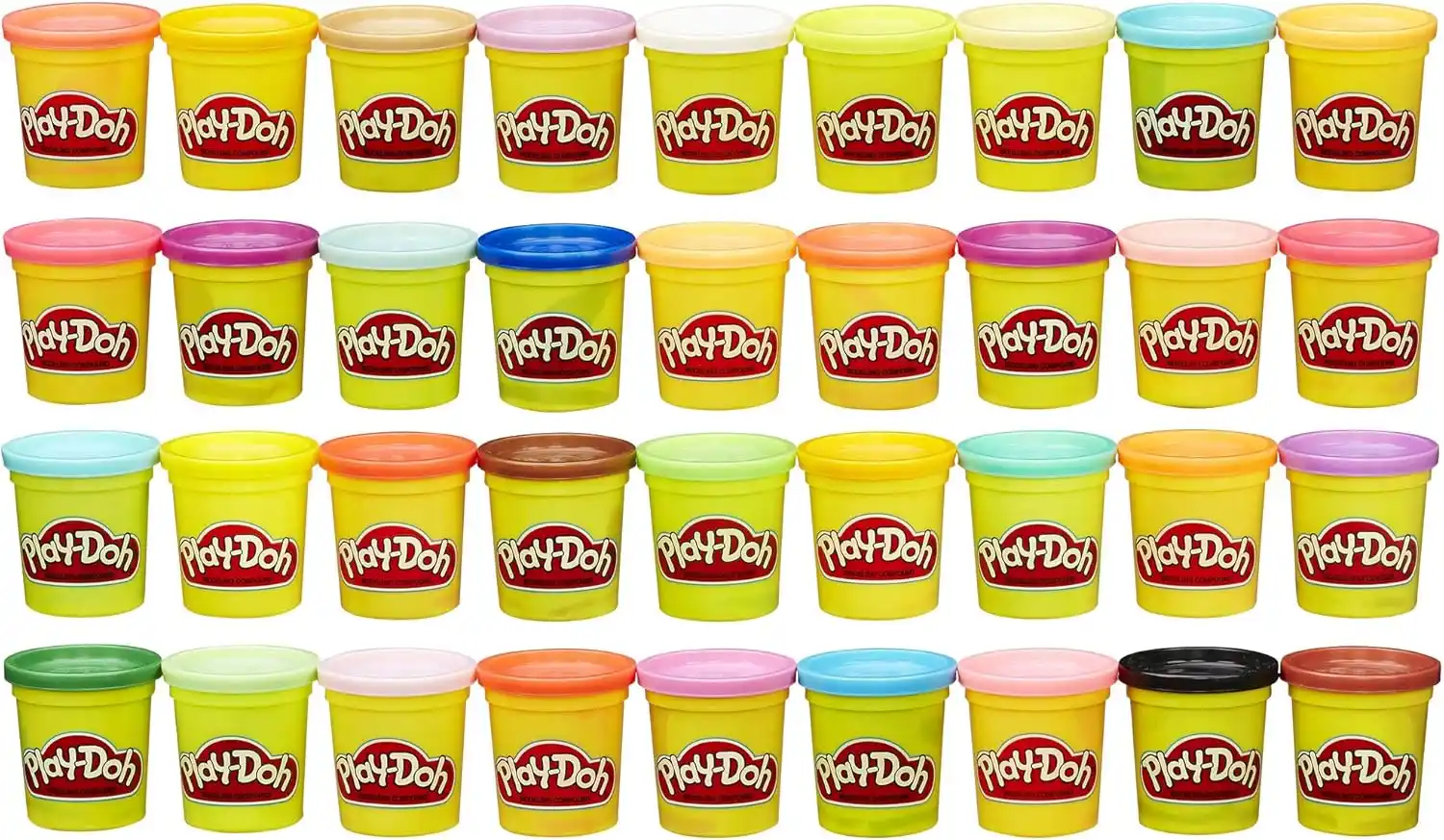
Play-Doh 36-Pack - Best Classic Option

Sometimes the classics earn their reputation for good reason. Play-Doh's signature soft, squishy texture provides excellent sensory feedback, and the familiar smell (from the wheat-based formula) can be comforting for children who appreciate consistency.

The 36-pack offers variety while maintaining the trusted Play-Doh quality. Containers keep colors separated and clay fresh, supporting the organizational preferences of many children with autism. The non-toxic formula is safe for children as young as 2.

What We Like

"We've tried many clays, but Play-Doh remains my daughter's favorite. She finds the texture and smell calming. The individual containers help her practice taking out and putting back, which is great for her routine."

Quick Comparison

Editor's Choice

ESENSON 36 Color Air Dry Clay Kit Best Overall Value

Cover Image for ESENSON 36-Color Air Dry Clay Kit - Best Overall Value

Check price on Amazon

This comprehensive kit offers everything needed for hours of sculpting therapy.

Best for Beginners

Magic Clay 24 Color Set Best for Beginners

Cover Image for Magic Clay 24-Color Set - Best for Beginners

Check price on Amazon

Perfect for children just starting their sculpting journey, this 24-color set offers a manageable selection without overwhelming.

Best Advanced Option

50 Color Polymer Clay Set Best for Advanced Sculptors

Cover Image for 50-Color Polymer Clay Set - Best for Advanced Sculptors

Check price on Amazon

For children who have developed their skills and are ready for more permanent creations, this polymer clay set offers professional-quality results.

The Therapeutic Power of Sculpting

Occupational therapists have long recognized the value of clay and sculpting materials for building hand strength and coordination. The resistance provided by manipulating clay naturally strengthens the small muscles in the hands and fingers that are essential for writing, self-care tasks, and everyday activities.

Beyond physical benefits, sculpting offers emotional regulation opportunities. The rhythmic motions of kneading and shaping can be meditative, while the sensory input provides proprioceptive feedback that many children with autism find organizing. The three-dimensional nature of sculpting also supports spatial reasoning and planning skills.

About the Author

Sensory Toy Space Team

Our team of child development specialists and sensory product researchers is dedicated to helping parents find the best toys and tools for children with autism, ADHD, and sensory processing differences.

Read Next

1 min read

Bedtime Anxiety and Sensory Tools That Help

*This article contains affiliate links. We may earn a commission if you make a purchase through our links, at no extra cost to you.*
Sensory Toy Space Team

ESENSON 36-Color Air Dry Clay Kit - Best Overall Value

Check price on Amazon
View on Amazon