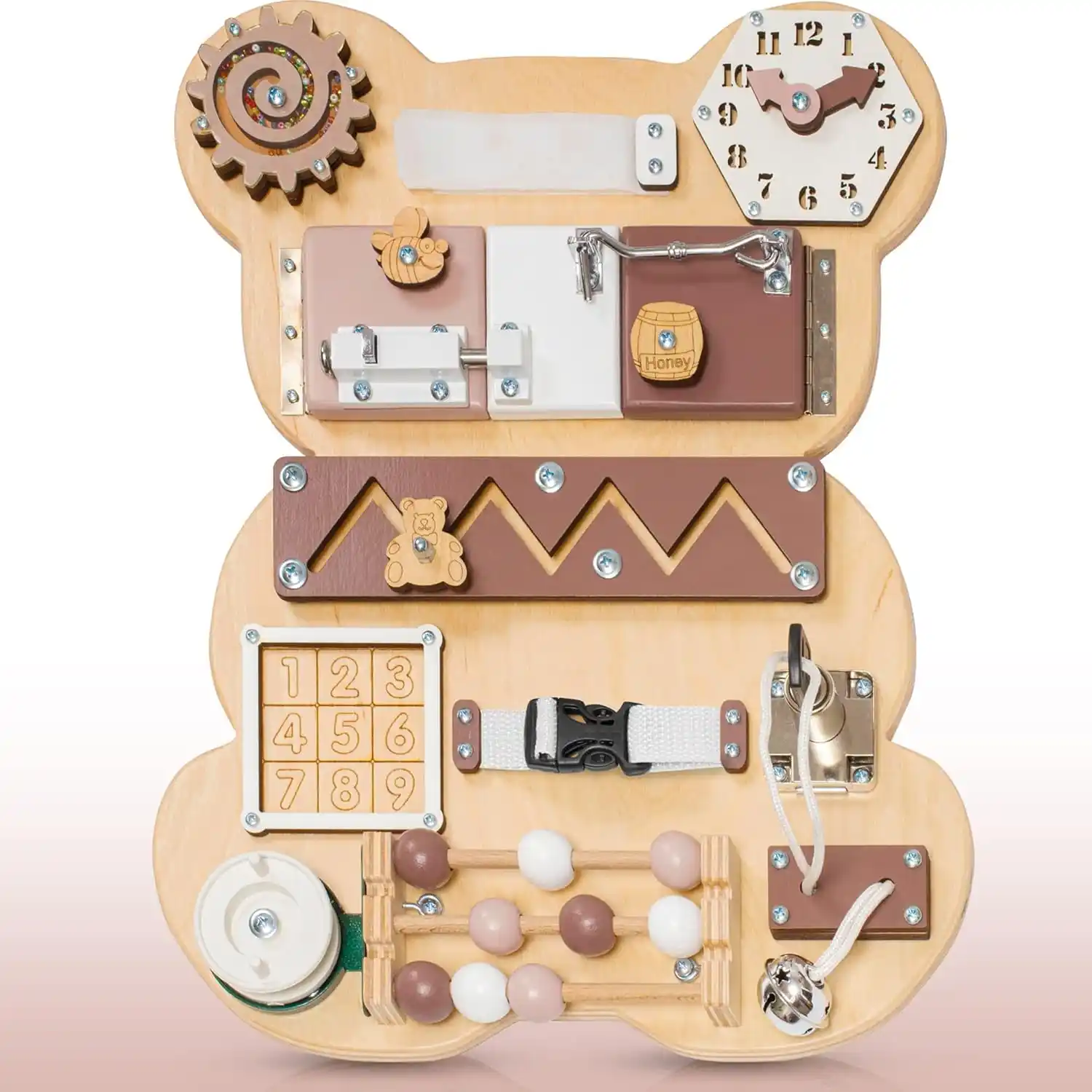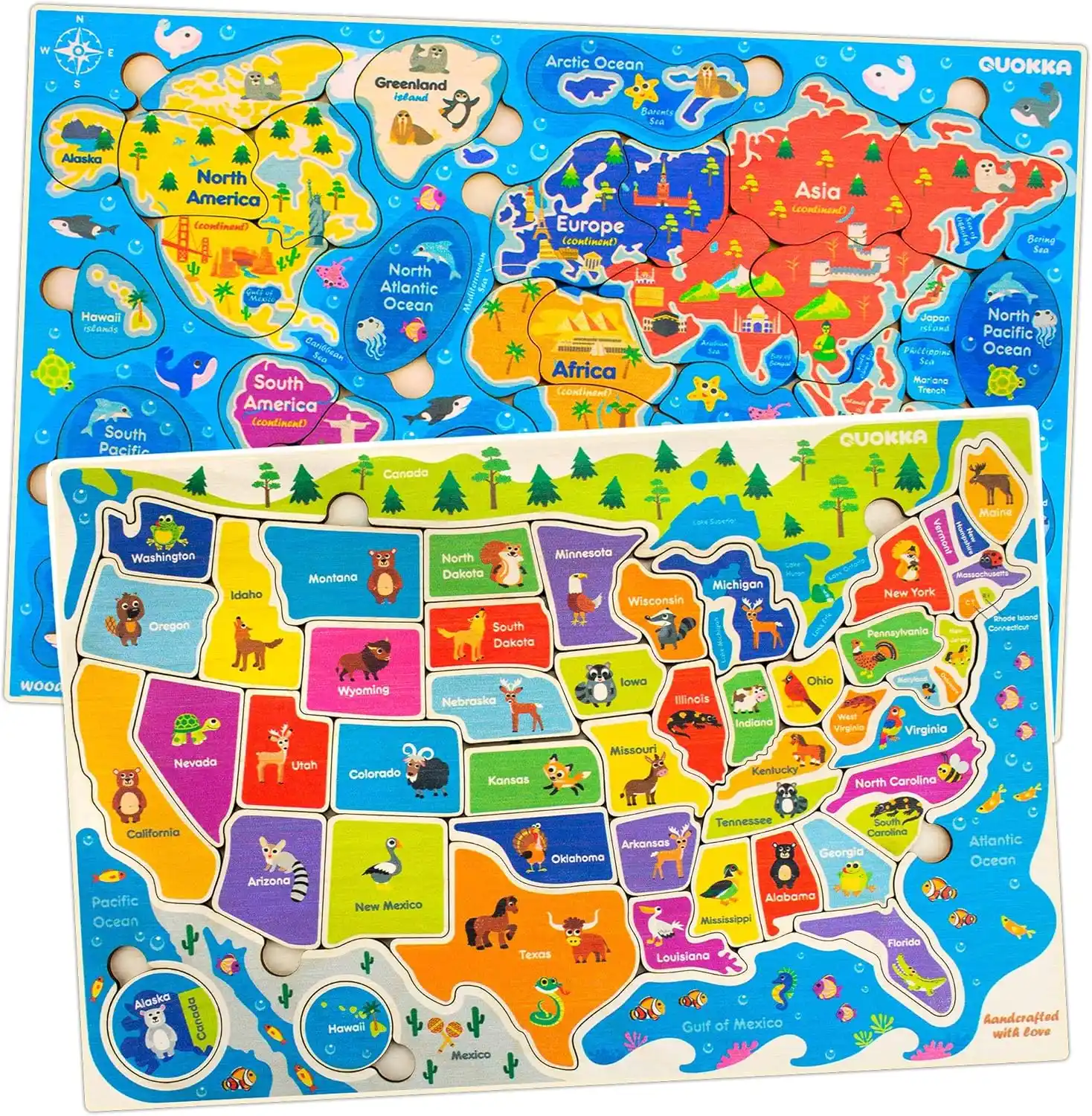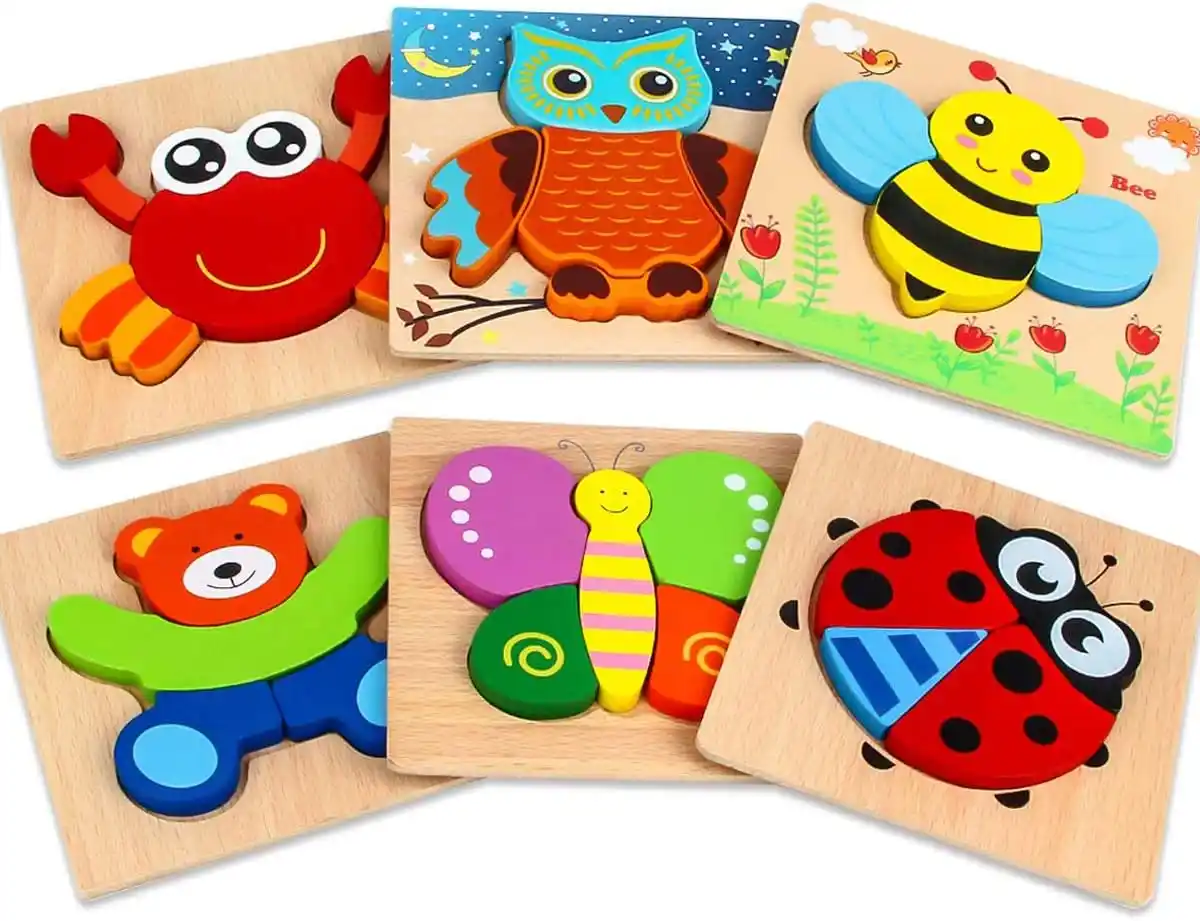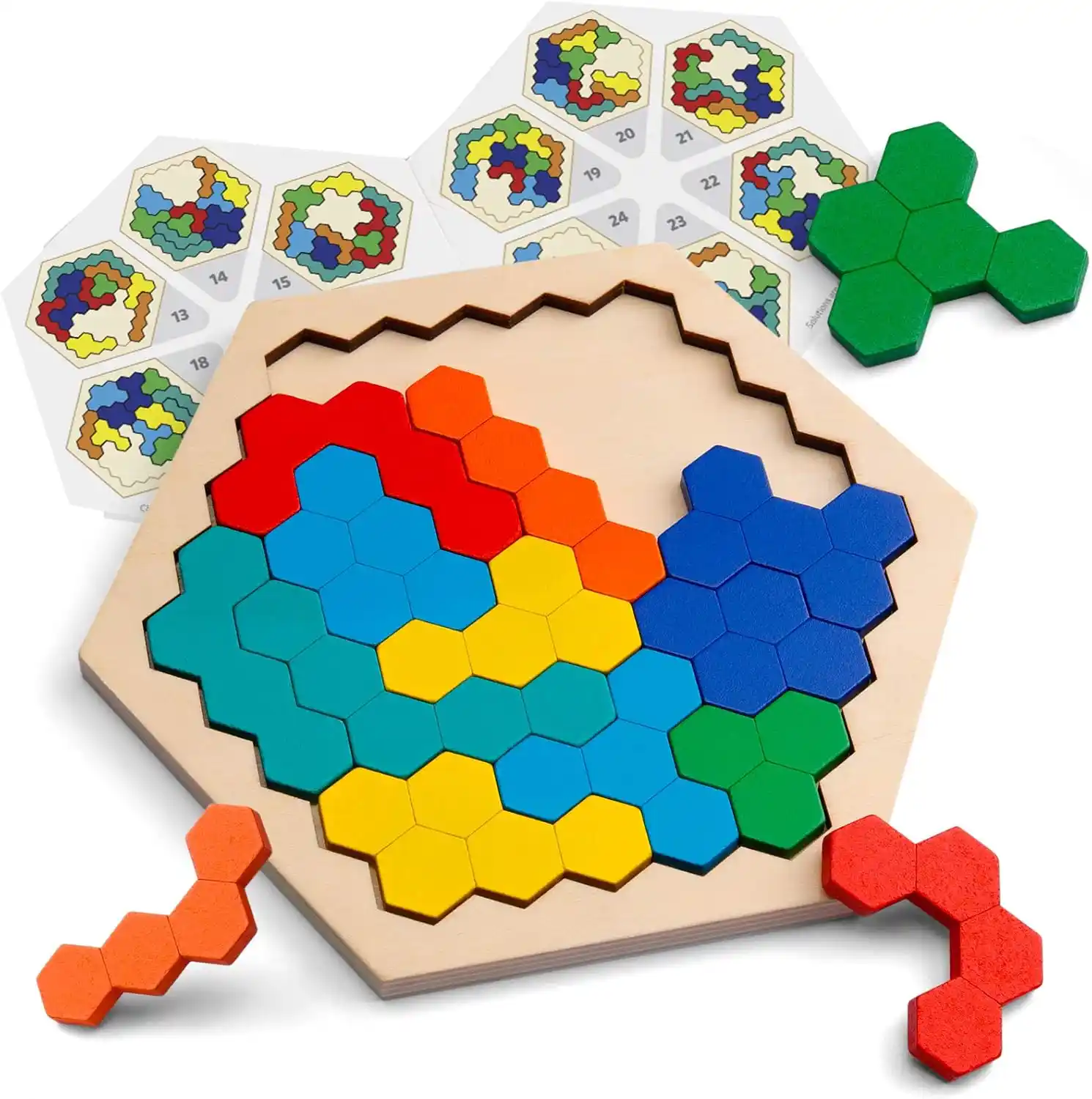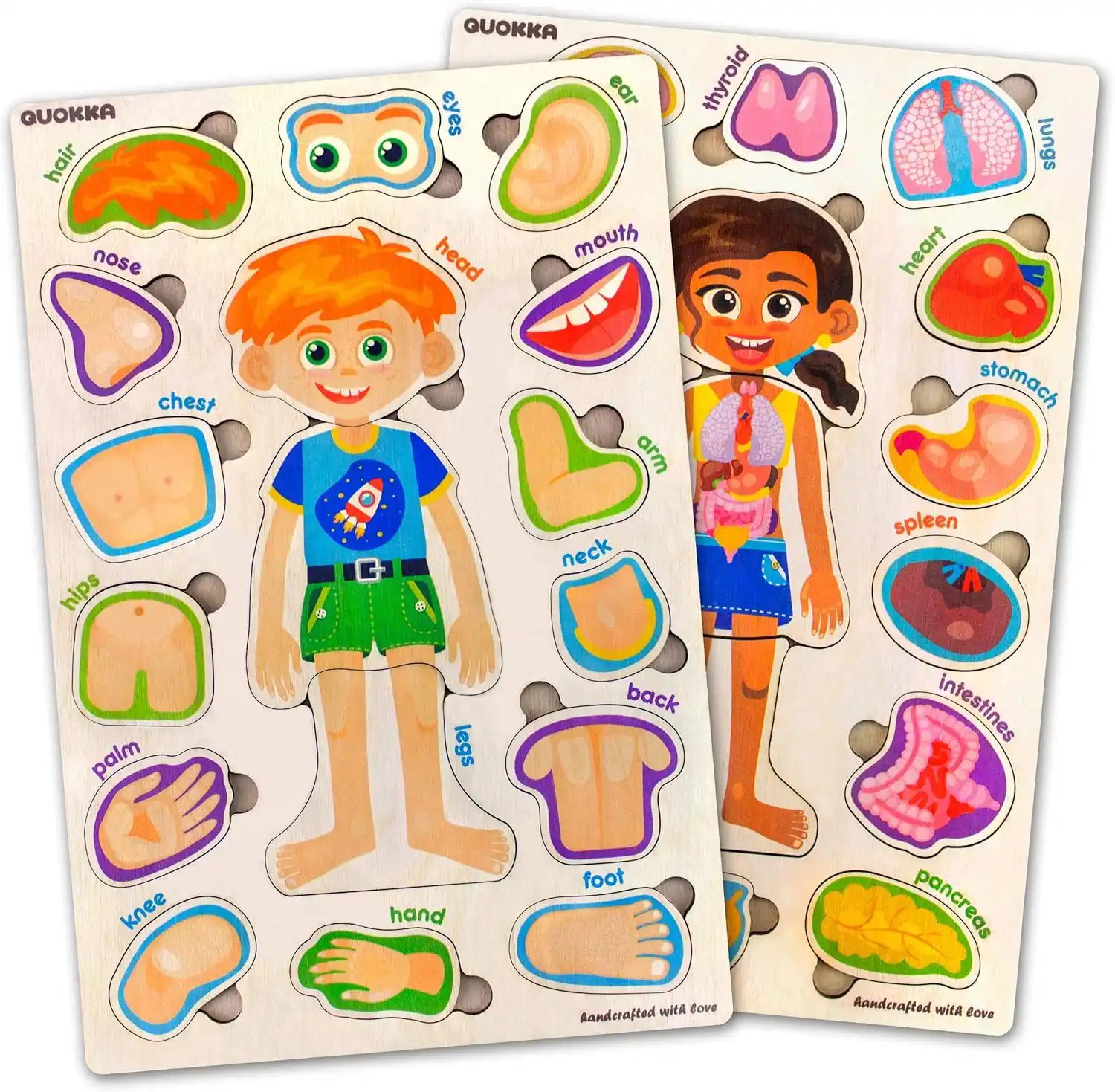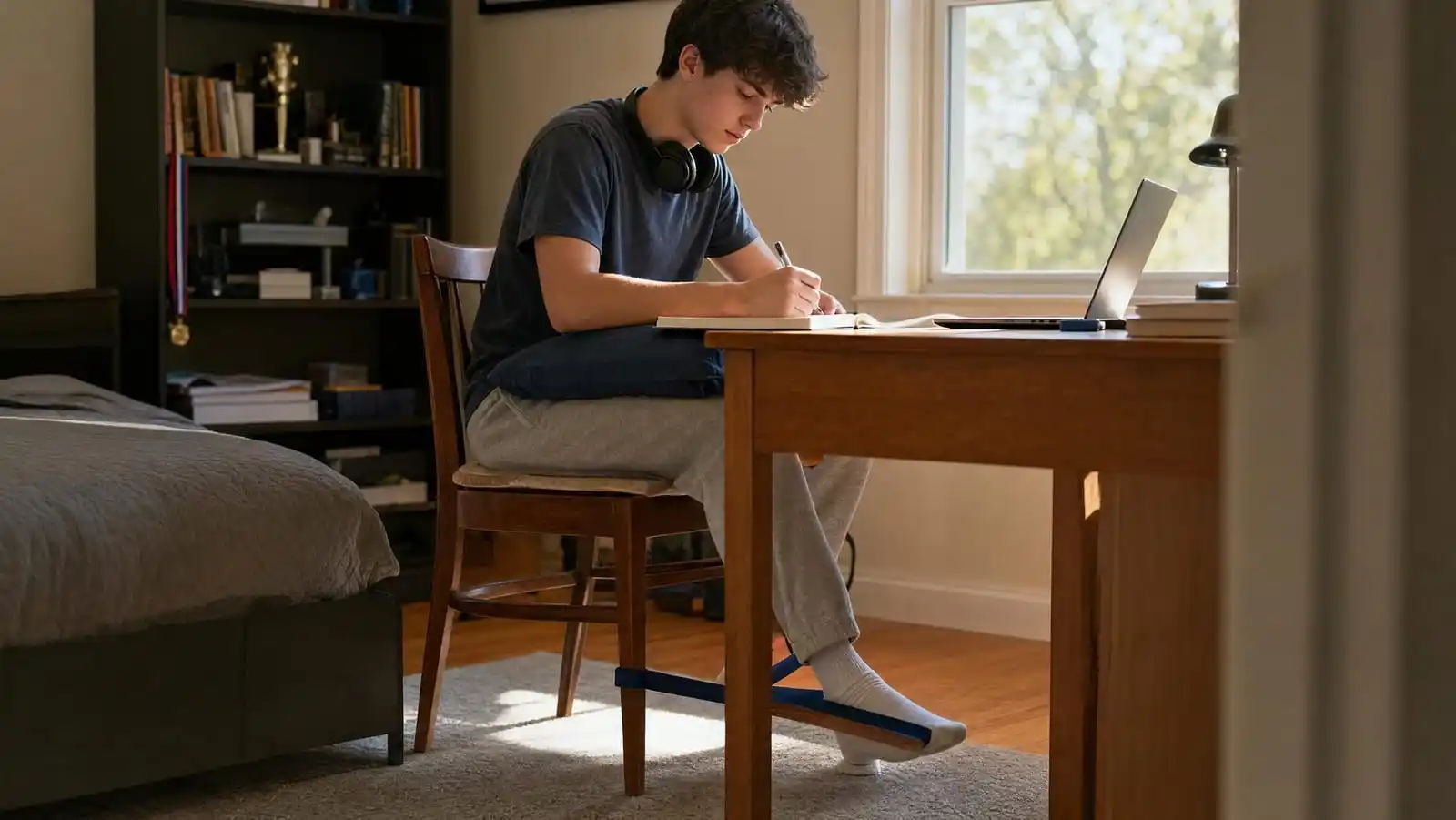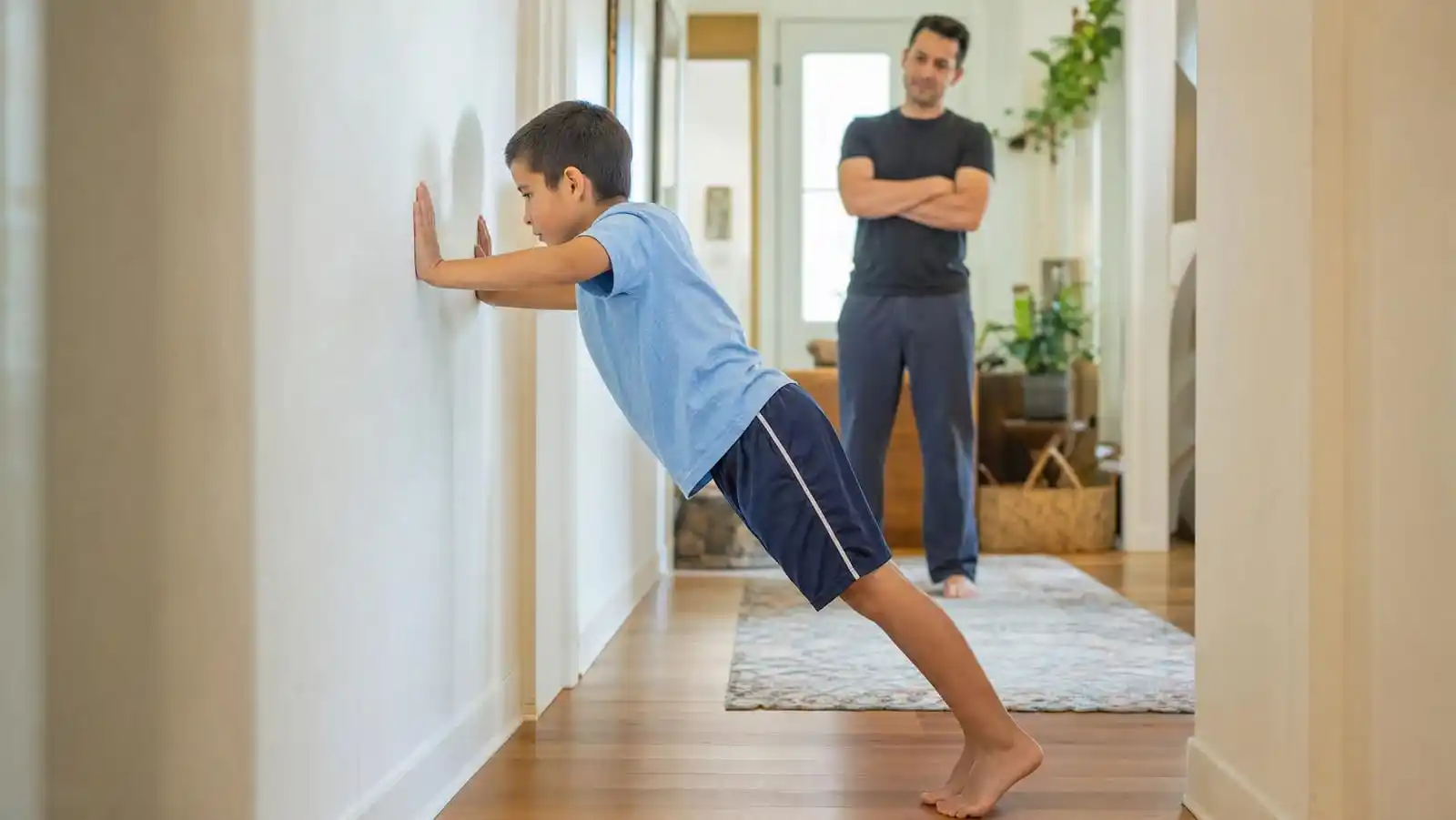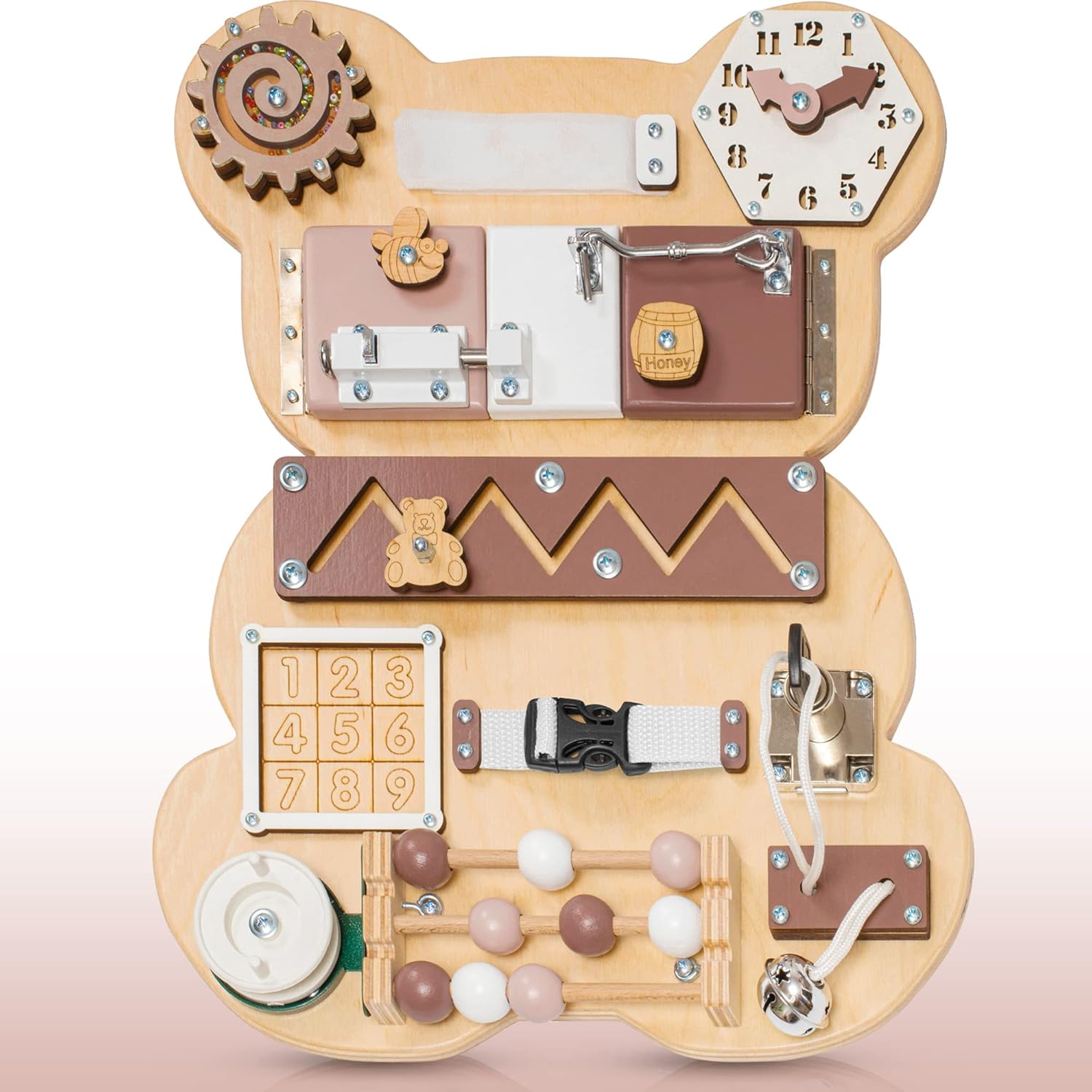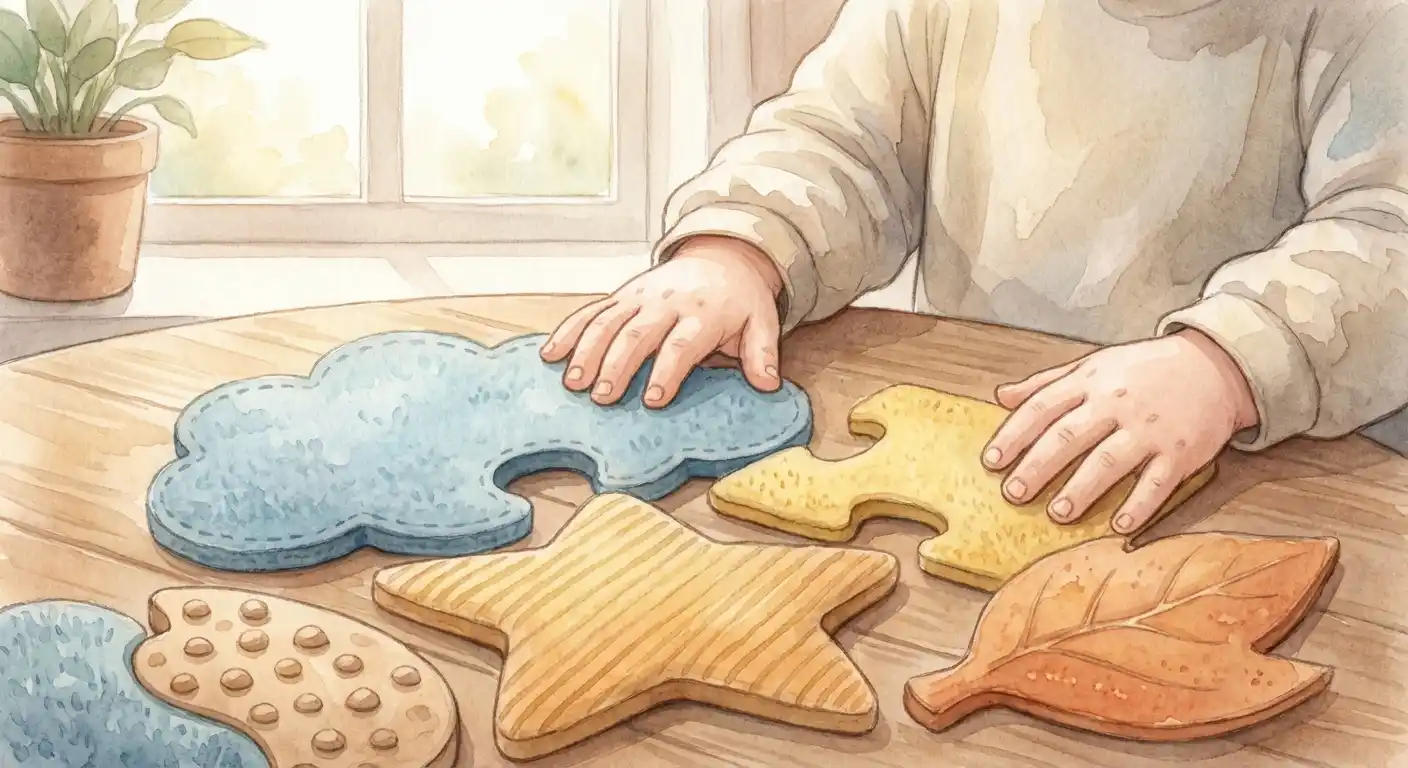
Sensory puzzles offer something special for children with autism: they combine the cognitive challenge of traditional puzzles with the tactile, visual, and proprioceptive input that many of these children crave or need. When you find the right sensory puzzle, you're not just providing entertainment. You're giving your child a tool that simultaneously calms, challenges, and develops crucial skills. For a deeper dive into tactile tools, see our complete tactile sensory toys guide.
What Makes a Puzzle "Sensory"?
Sensory puzzles go beyond simply fitting pieces together. They engage multiple senses and provide feedback that helps regulate the nervous system:
Tactile Elements
Textured pieces, wooden materials, fabric components, and varied surfaces provide touch input that can be organizing for children who seek tactile stimulation.
Visual Appeal
Bright colors, high contrast, and engaging images capture attention and leverage the visual strengths many children with autism possess.
Proprioceptive Feedback
The weight of wooden pieces and the pressure of snapping pieces into place provide the deep pressure input that helps many children feel grounded.
Auditory Satisfaction
The "click" of a piece fitting correctly or the sound of wooden pieces against each other can be rewarding feedback that motivates continued effort.
How Sensory Puzzles Support Development
These specialized puzzles build skills across multiple developmental domains:
Cognitive Development
- Problem-solving: Finding where pieces fit requires analysis and strategy
- Spatial reasoning: Understanding how shapes relate to spaces builds mathematical thinking
- Memory: Remembering strategies and piece locations strengthens working memory
- Flexible thinking: Learning that problems can have multiple solutions
Fine Motor Skills
- Grip strength: Picking up and manipulating pieces builds hand muscles
- Pincer grasp: Small pieces require thumb-and-finger coordination
- Hand-eye coordination: Visually guiding pieces into place integrates vision and movement
- Bilateral coordination: Using both hands together to manipulate puzzles
Emotional Regulation
- Calming sensory input: The tactile and proprioceptive feedback can soothe an overwhelmed nervous system
- Accomplishment: Completing puzzles builds confidence and positive emotional experiences
- Focus: The engaging nature of sensory puzzles can help children develop attention skills
- Frustration tolerance: Working through challenges builds persistence
Social Skills
- Turn-taking: Puzzles can be done together, practicing social exchanges
- Joint attention: Working on puzzles with others requires shared focus
- Communication: Puzzle play creates opportunities for language use
Matching Puzzles to Sensory Profiles
Not every sensory puzzle works for every child. Consider your child's sensory preferences:
For Sensory Seekers
These children crave intense sensory input. Look for:
- Textured pieces with varied surfaces
- Bright, high-contrast colors
- Weighted or chunky pieces
- Puzzles with clicking or snapping feedback - also check out tactile fidget toys for focus
For Sensory Avoiders
These children are easily overwhelmed by sensory input. Look for:
- Smooth, predictable textures
- Muted or pastel colors
- Quiet pieces that don't make loud sounds
- Simple designs without too much visual complexity
For Mixed Profiles
Many children seek some types of input while avoiding others. Observe what your child gravitates toward and what they resist, then choose puzzles accordingly.
Creating Successful Puzzle Experiences
The right puzzle is only part of the equation. Environment and approach matter too:
Set Up for Success
- Quiet space: Reduce competing sensory input so the puzzle can be the focus
- Organized setup: Lay out pieces systematically rather than dumping them in a pile
- Comfortable positioning: Ensure your child can reach and see the puzzle comfortably
Support Without Taking Over
- Wait: Give your child time to figure things out before offering help
- Describe, don't direct: "I see you're looking for a piece with a straight edge" rather than "Put that one there"
- Celebrate effort: "You worked really hard on that!" focuses on persistence rather than just completion
Build Gradually
- Start achievable: Begin with puzzles your child can complete mostly independently
- Add challenge slowly: Increase difficulty as skills develop
- Return to favorites: Sometimes practicing familiar puzzles builds confidence
The Thrill of Finding the Right Fit
When a child with autism finds a sensory puzzle that clicks (literally and figuratively), something special happens. The sensory input calms their system. The cognitive challenge engages their mind. The success builds their confidence. And the skills developed transfer far beyond puzzle time.
That's the real thrill of sensory puzzles: watching your child not just complete a puzzle, but grow through the process. For children who also benefit from oral sensory input while focusing, explore our oral sensory toys guide.