When it comes to helping children with autism develop communication and social skills, puzzles offer something truly special: a structured, predictable activity that naturally creates opportunities for interaction and learning. Unlike many social situations that can feel overwhelming or unpredictable, puzzles provide clear rules, visible progress, and a satisfying sense of accomplishment. For more tactile learning tools, explore our tactile sensory toys guide.
Why Puzzles Work for Children with Autism
Many children with autism thrive with structure and predictability. Puzzles deliver both while gently stretching comfort zones and building essential skills. Here's what makes them so effective:
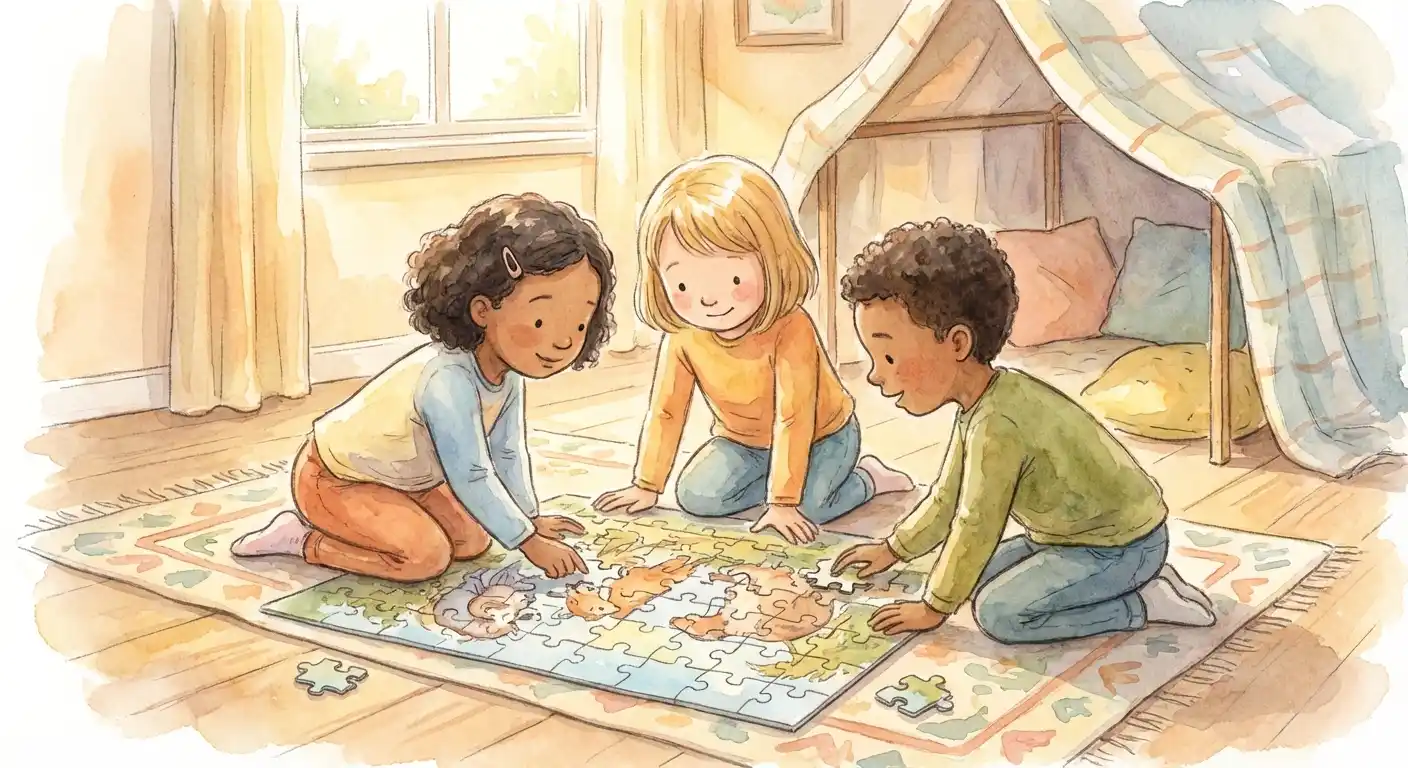
Joint Attention Development: Working on puzzles together requires looking at the same thing at the same time, a skill called joint attention that forms the foundation of communication. When a child points to where a piece goes or looks to a parent for help, they're practicing the same skills needed for conversation.
Turn-Taking Practice: Puzzles naturally lend themselves to "your turn, my turn" interactions. This rhythmic exchange mirrors the back-and-forth of conversation and helps children internalize the pattern of social interaction.
Shared Success: Completing a puzzle together creates a moment of shared celebration. These positive emotional experiences build the desire for more social connection.
What to Look for in Autism-Friendly Puzzles
Not all puzzles are created equal when it comes to supporting children with autism. Here's what to consider:
1. Piece Size and Durability
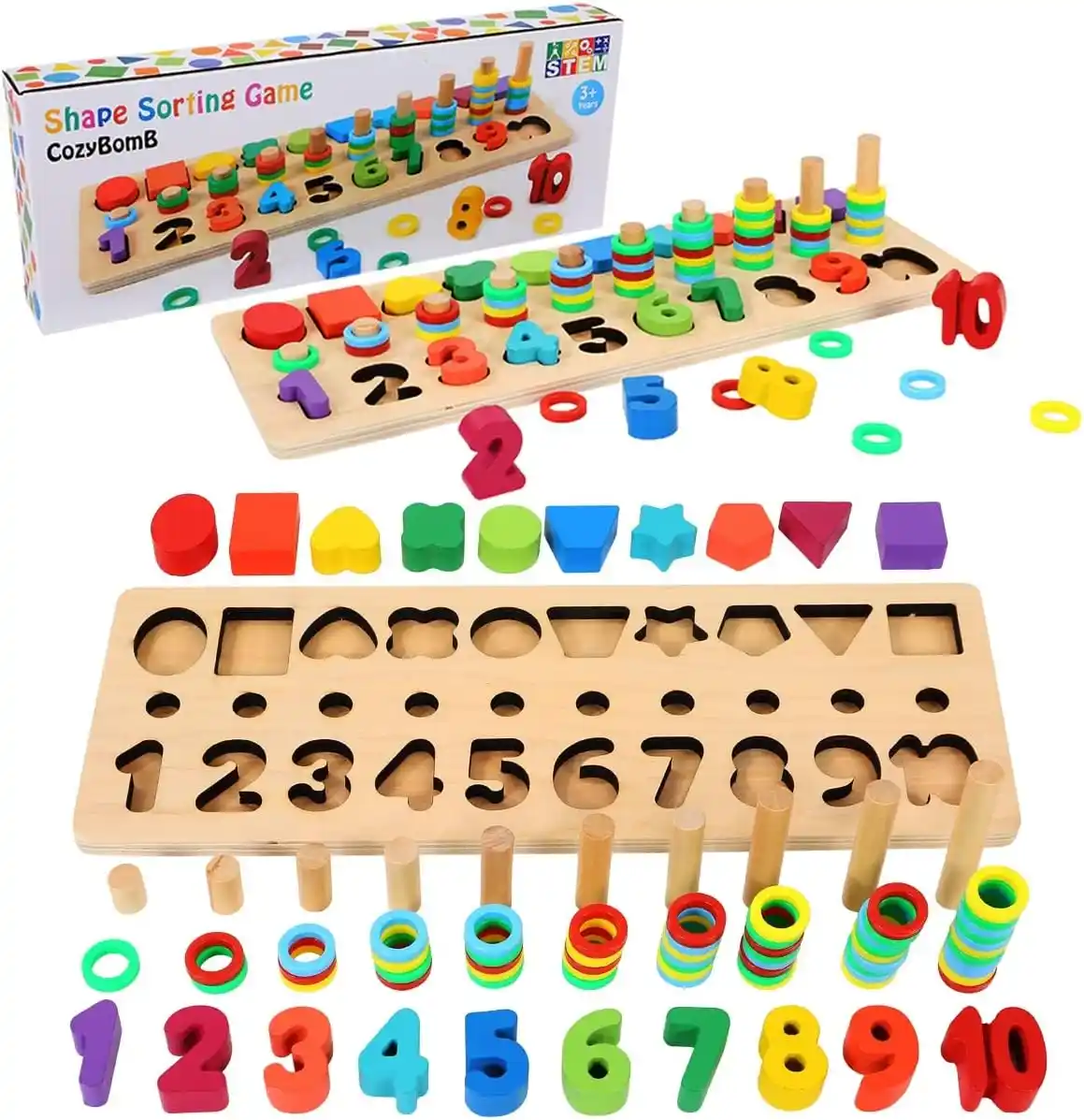
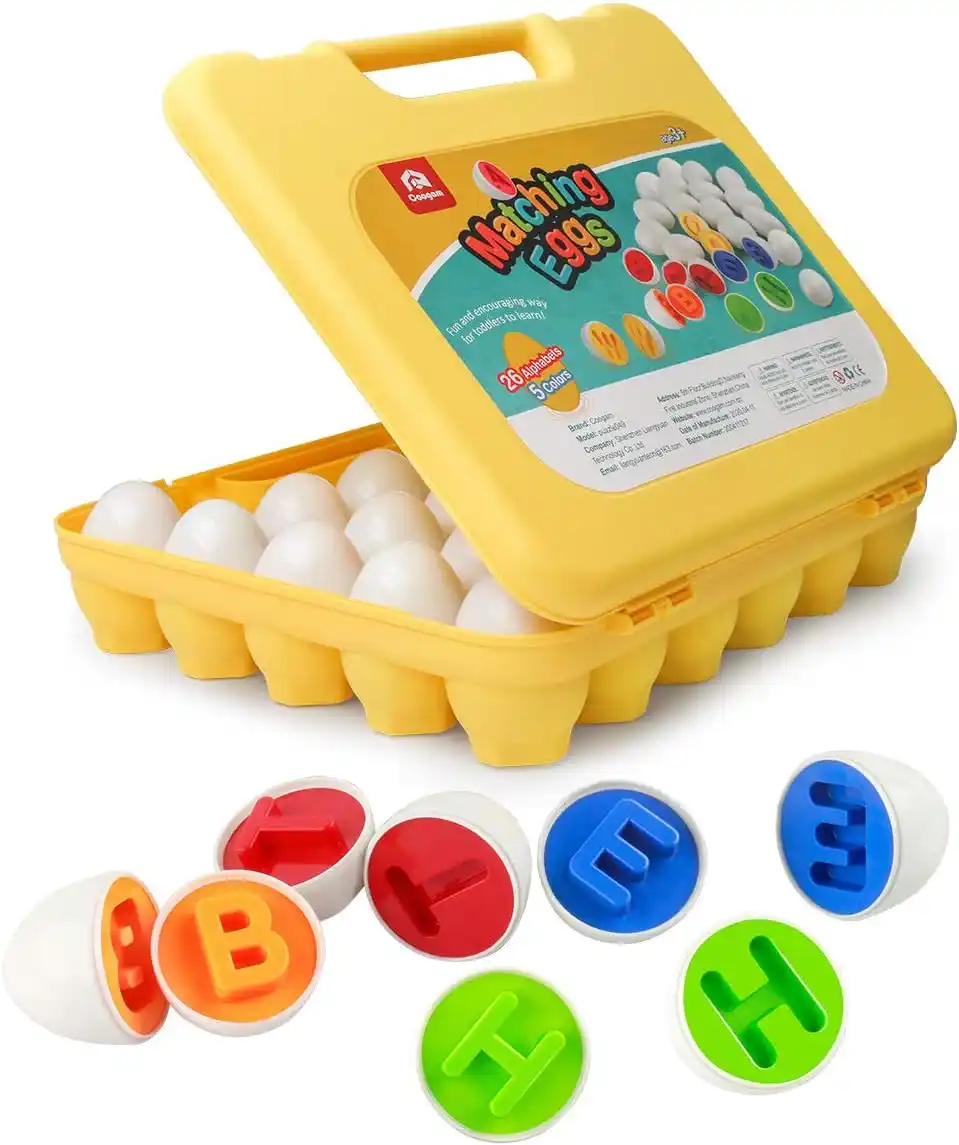
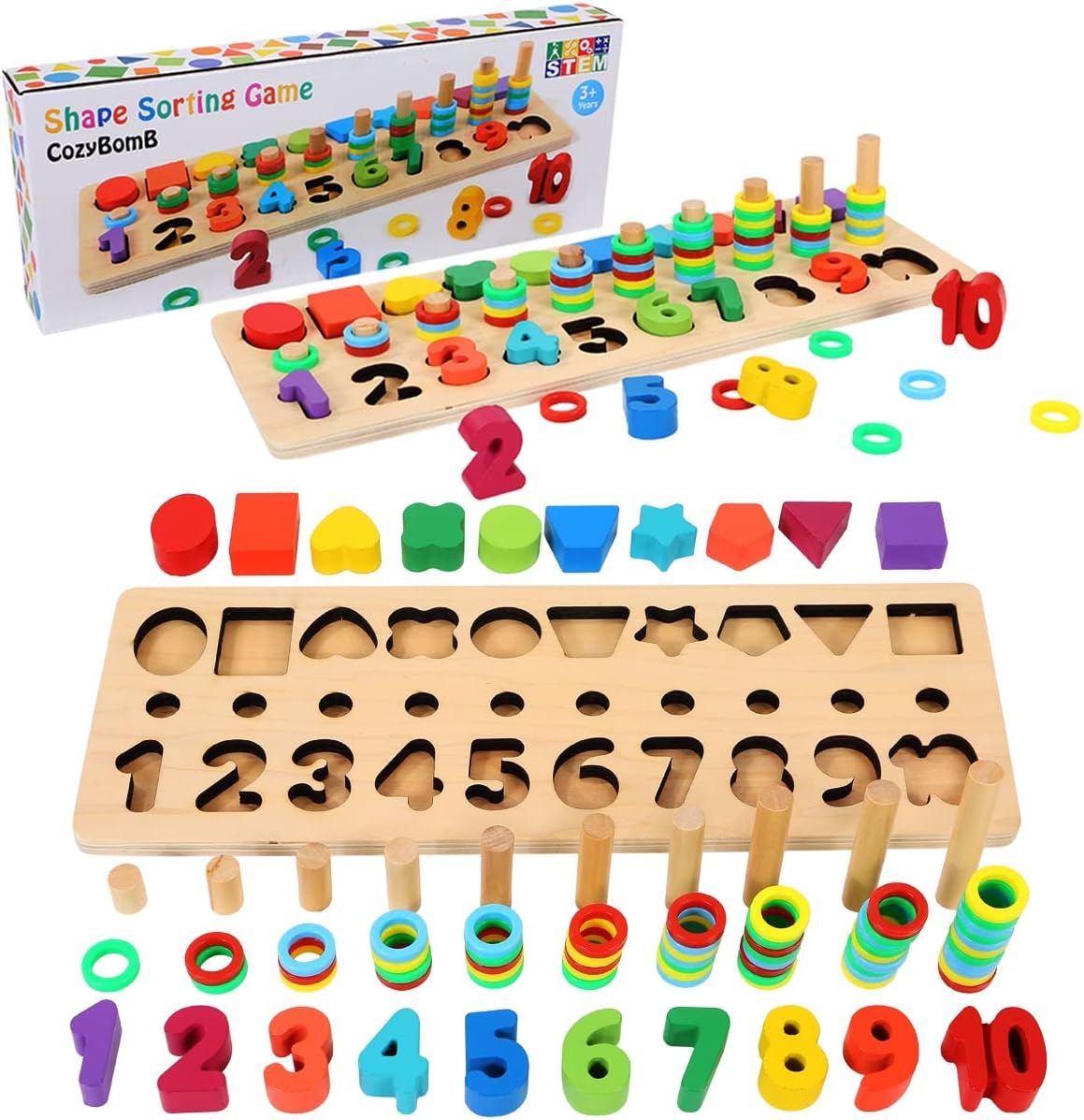
Look for puzzles with large, substantial pieces that are easy to grasp and won't break easily. Frustration from flimsy or difficult-to-handle pieces can derail the learning opportunity. Wooden puzzles often offer the best durability and tactile experience.
2. Visual Clarity
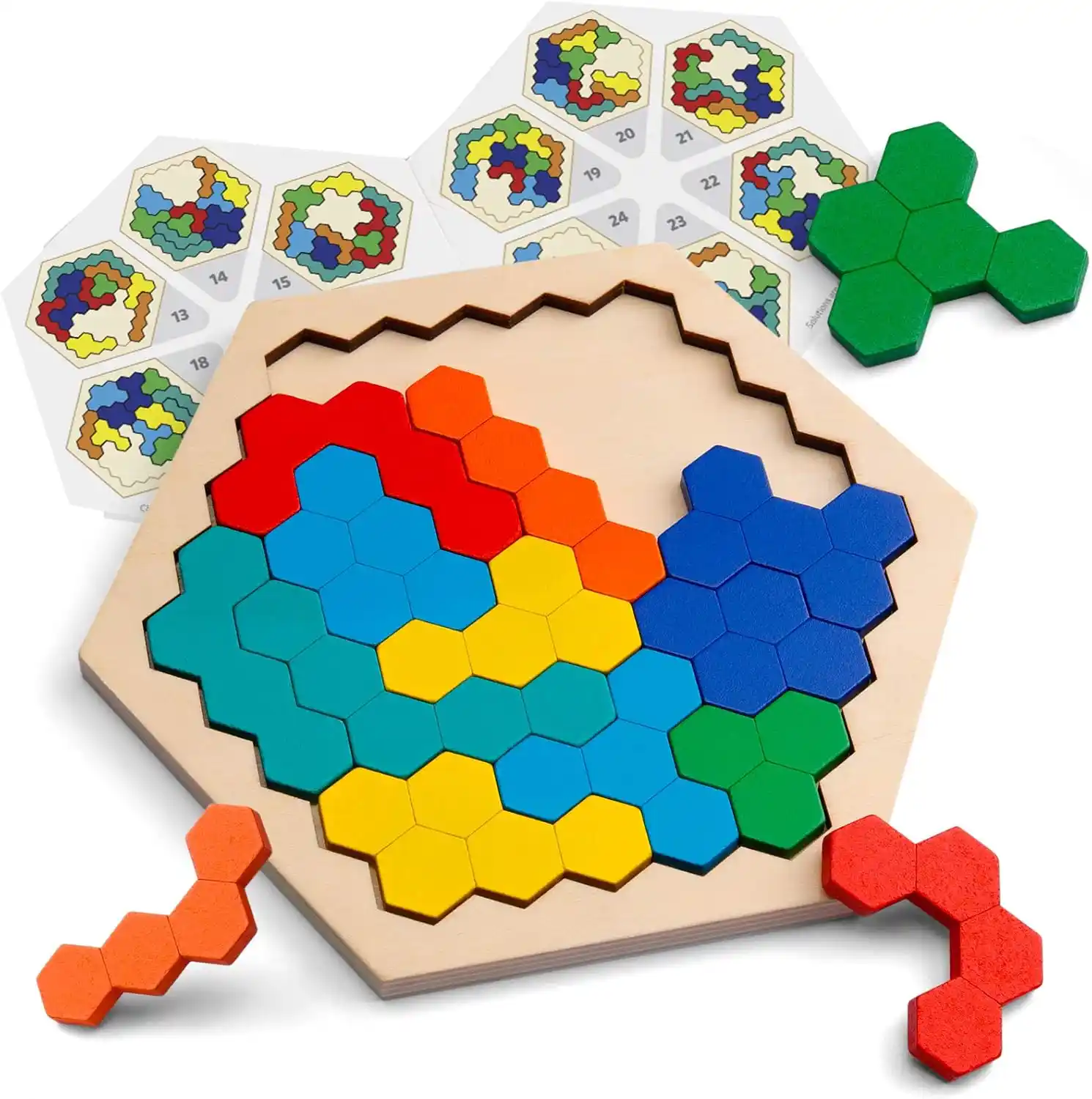
Choose puzzles with clear, bright illustrations that aren't too busy or overwhelming. Simple, recognizable images help children focus on the puzzle-solving process rather than becoming distracted or overstimulated by visual complexity.
3. Appropriate Challenge Level
The puzzle should be challenging enough to engage without causing frustration. A good rule of thumb: if your child can complete it independently about 70% of the time, it's at the right level. This creates opportunities for you to help without the task feeling impossible.
4. Sensory Considerations
Some children are sensitive to textures or sounds. Wooden puzzles with smooth finishes tend to work well, while cardboard puzzles with glossy coatings might feel unpleasant to some children. Consider your child's specific sensory preferences. Sensory bins with water beads offer another structured tactile activity for sensory exploration.
Building Communication Through Puzzle Play
The magic happens not just from the puzzle itself, but from how you engage with it together. Here are strategies to maximize the communication benefits:
Narrate the Process: Describe what you're doing as you work. "I'm looking for a blue piece. There's one! It has a straight edge." This models language and gives children vocabulary for their own observations.
Wait and Watch: Resist the urge to immediately help. Give your child time to problem-solve and, if they need assistance, wait for them to communicate that need in whatever way they can, whether through words, gestures, or eye contact.
Celebrate Small Wins: Every piece placed is an opportunity for connection. A high-five, a smile, or an enthusiastic "You did it!" reinforces both the accomplishment and the social interaction.
Follow Their Lead: If your child wants to sort pieces by color first or work on a specific section, follow their interest. This validates their communication and encourages them to express preferences more often.
Beyond the Puzzle: Generalizing Skills
The skills children build during puzzle play don't stay at the puzzle table. The patience, problem-solving, and communication patterns they develop transfer to other areas of life:
- Classroom Participation: The turn-taking and joint attention skills support learning in group settings
- Peer Relationships: The ability to share an activity and celebrate together builds friendship skills
- Self-Regulation: The focus and persistence developed during puzzle play help with emotional regulation
- Language Development: The vocabulary and conversation patterns practiced during play support overall communication
Puzzles may seem simple, but for children with autism, they're powerful tools for building the foundational skills that support lifelong communication and social connection. The key is choosing the right puzzles and approaching play in ways that maximize the learning opportunity while keeping the experience positive and enjoyable. For fidgeting tools that support focus during other activities, see our tactile fidget toys for focus.