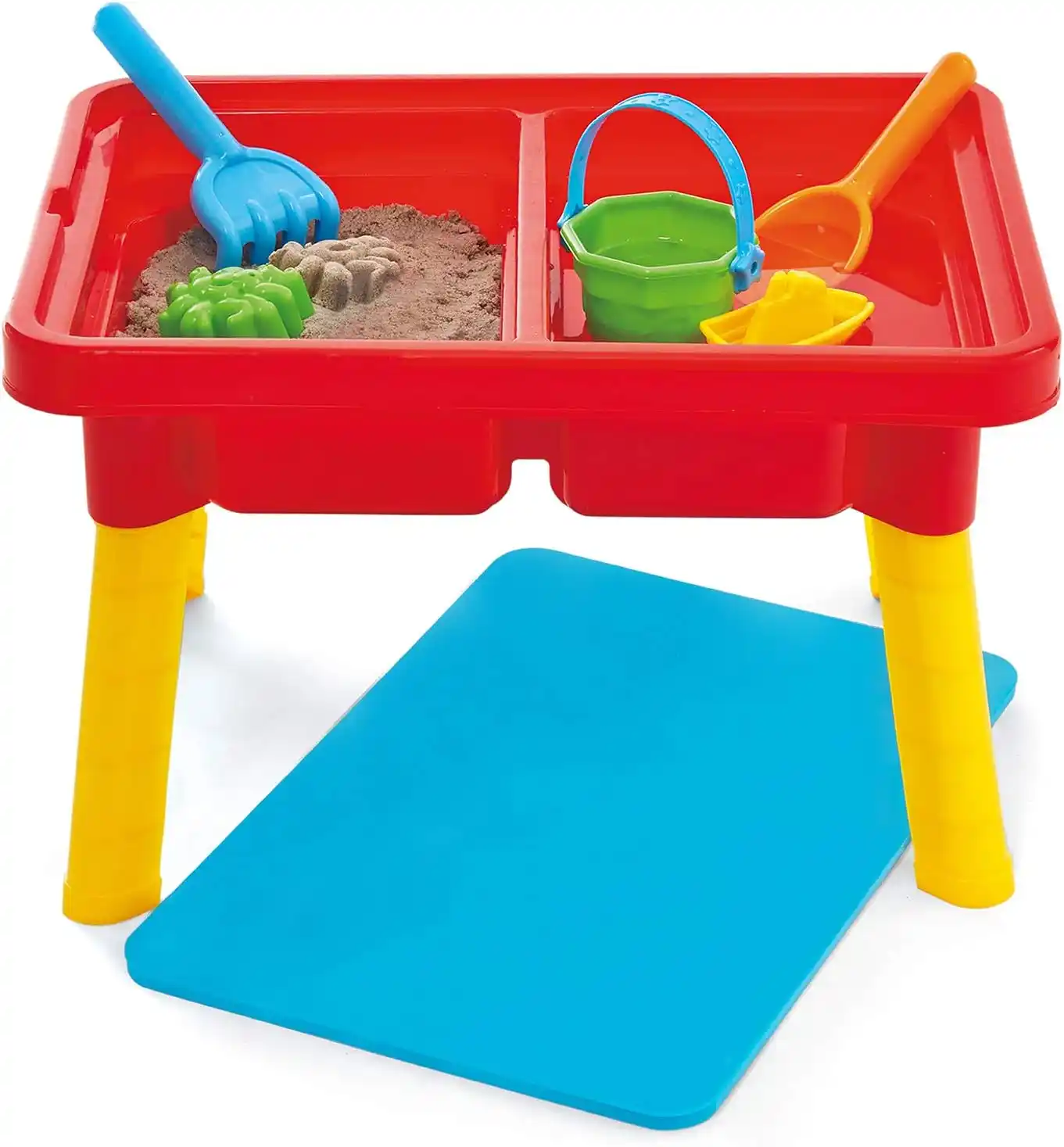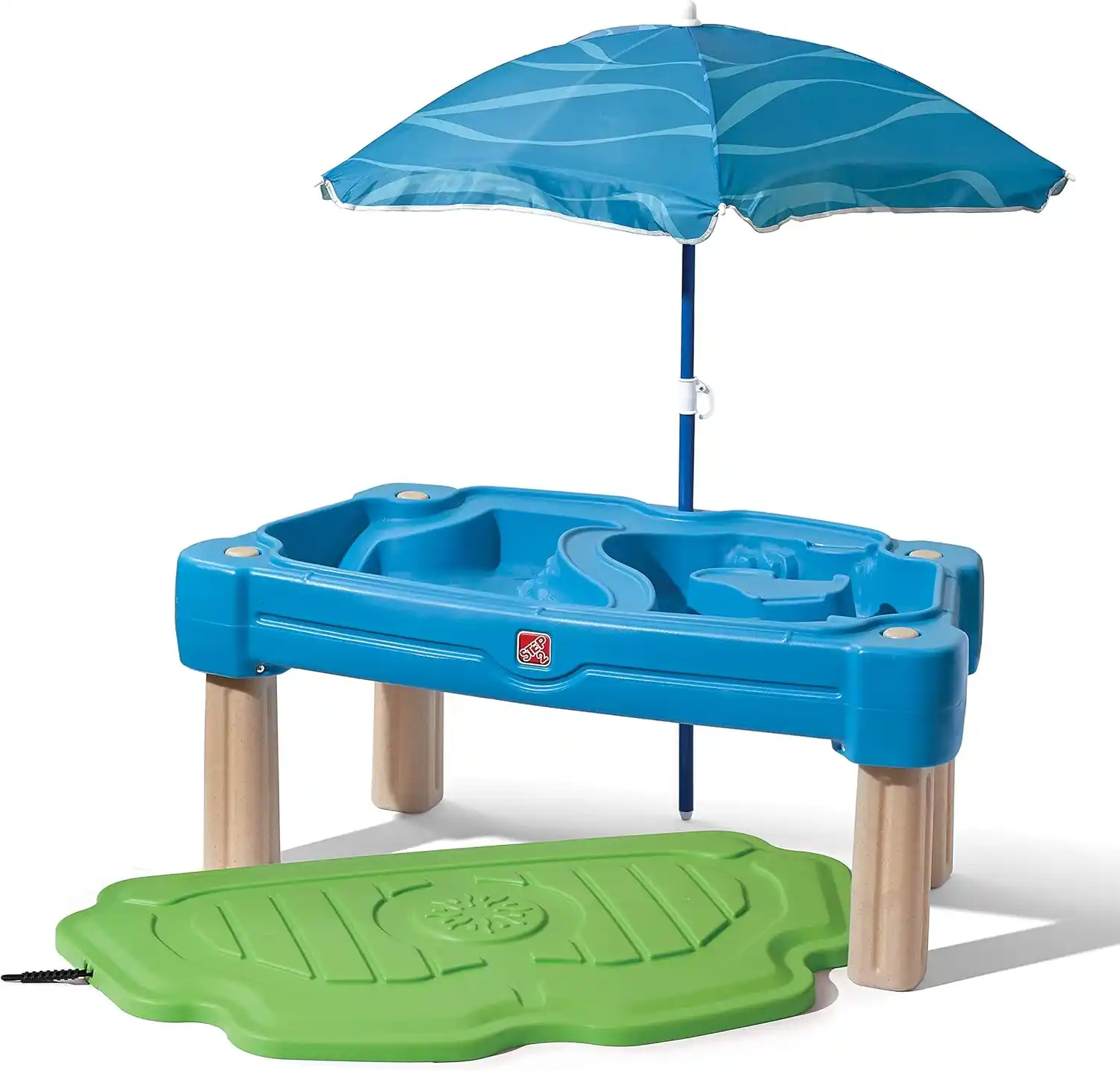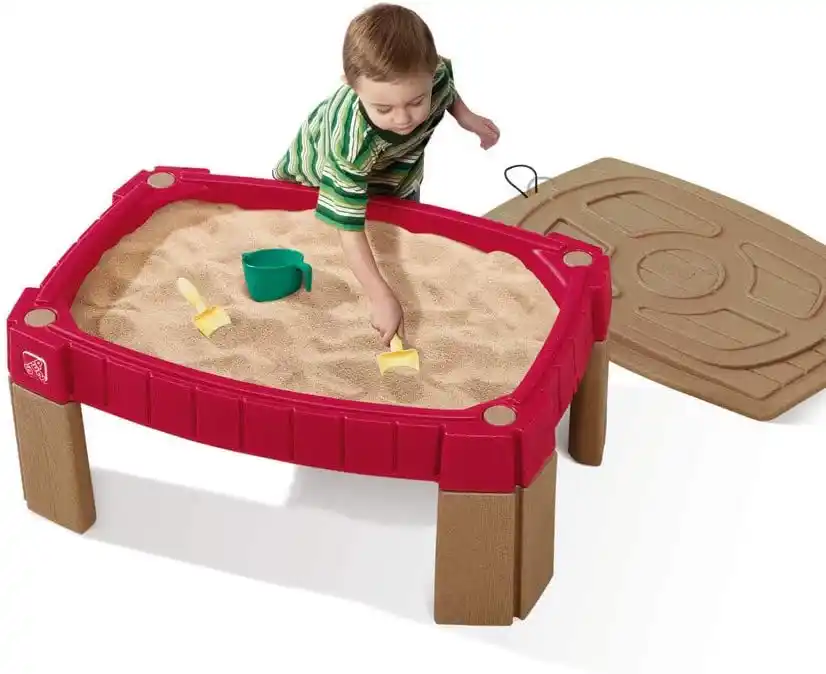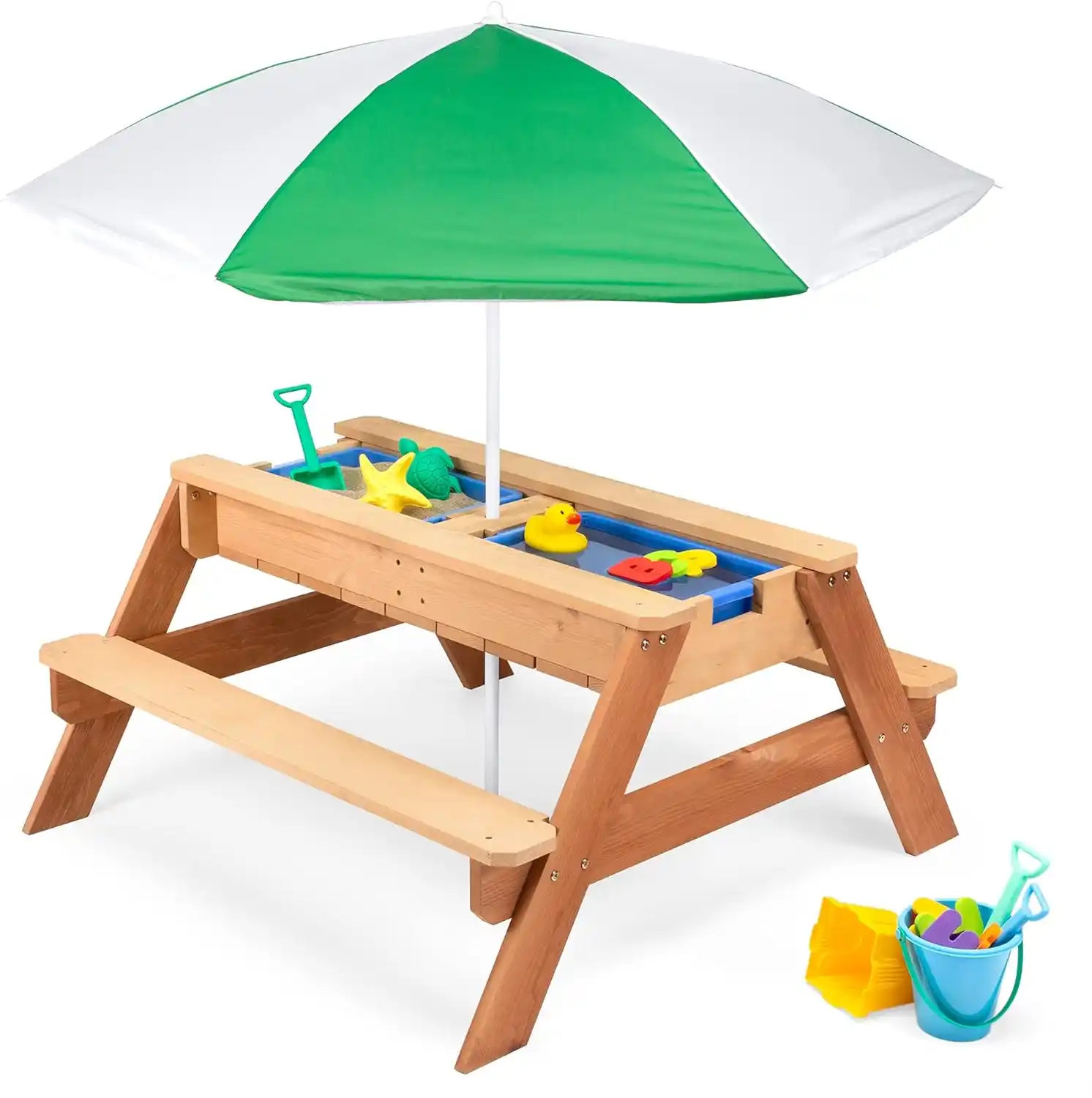
There's something almost magical about watching a toddler discover sand for the first time. The texture, the way it flows, the endless possibilities for digging, pouring, and building. Sand tables bring this sensory wonderland to your home, offering developmental benefits that go far beyond just keeping little ones busy. For more tactile exploration ideas, see our guide to best tactile toys for toddlers.
Why Sand Tables Are Essential for Toddler Development
Sand play isn't just play. It's a comprehensive developmental activity that supports:
Sensory Processing
Sand provides unique tactile input that helps children make sense of the world through touch. For children with sensory processing differences, sand play can be either regulating (for those who seek tactile input) or a gentle way to build tolerance (for those who are tactile defensive, when introduced gradually).
The temperature changes, the grainy texture, the way sand feels when dry versus wet, all of this sensory information helps build the neural pathways that support sensory integration.
Fine Motor Development
Digging, pouring, scooping, and molding all build the small muscle strength and coordination needed for later writing, self-care tasks, and manipulating objects. Sand provides natural resistance that strengthens hand muscles, while the variety of possible movements builds coordination.
Using tools like scoops, rakes, and molds adds complexity that challenges developing motor planning skills. The open-ended nature means children naturally progress to more challenging movements as their skills develop.
Cognitive Skills
Sand play supports early math and science concepts naturally. Pouring between containers introduces volume concepts. Building and watching structures collapse teaches cause and effect. Mixing wet and dry sand demonstrates material properties.
The open-ended nature of sand play also supports creativity and problem-solving. There's no right way to play with sand, so children experiment, test hypotheses, and learn from results without fear of failure.
Language Development
Sand play creates opportunities for vocabulary building: words like smooth, rough, wet, dry, pour, dig, scoop, and hundreds more. When children play together or with adults, the shared activity provides natural conversation opportunities.
Social Skills
Sand tables are perfect for parallel play (playing alongside others) and cooperative play (playing together). Children can share space and materials, take turns with tools, and collaborate on building projects, all in a low-pressure, engaging context.
Choosing the Right Sand Table
Consider these factors when shopping:
Size and Space
Measure your available space before shopping. Consider:
- Where will the table live? (Yard, patio, playroom)
- Does it need to be portable?
- How many children will use it simultaneously?
- Is there room for the mess that sand play creates?
Durability
Toddlers are tough on toys. Look for:
- Sturdy construction that won't tip easily
- UV-resistant materials if using outdoors
- Quality that justifies the investment
Features
Different tables offer different features:
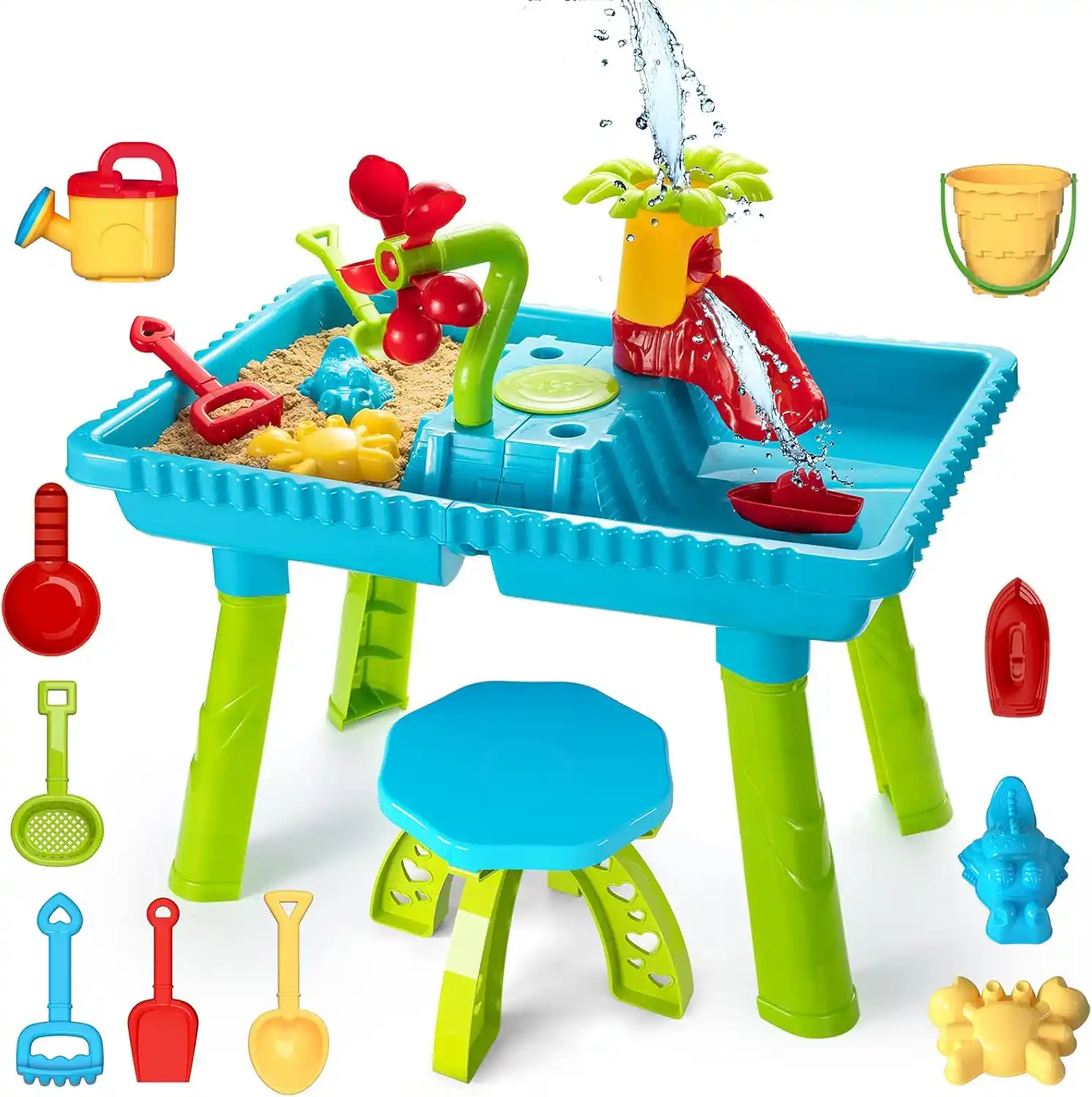
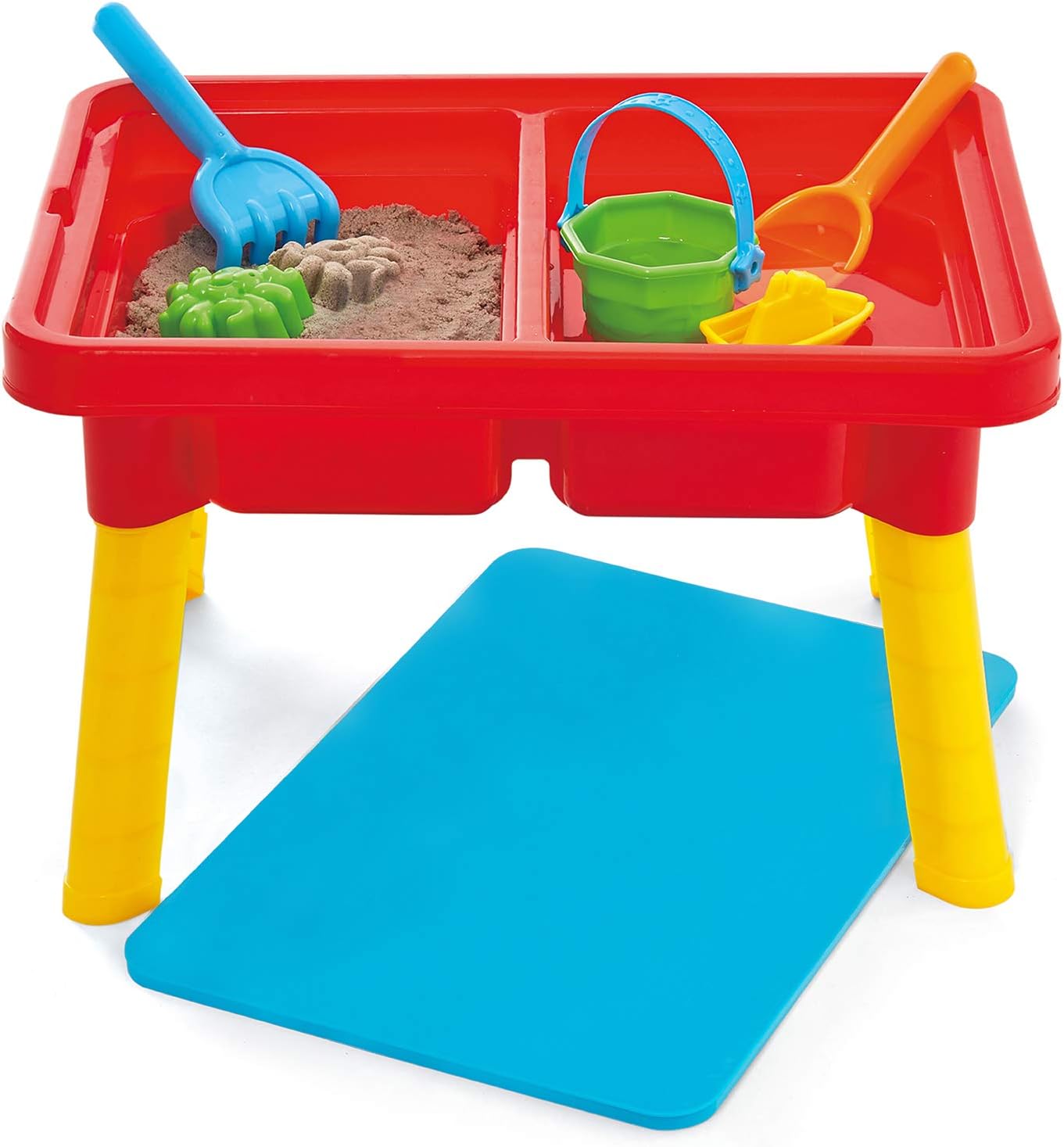
- Covers/lids: Keep sand clean when not in use
- Water play options: Many tables work for both sand and water
- Accessories: Some come with tools, others require separate purchase
- Height adjustability: Allows the table to grow with your child
Sand Type Considerations
You'll need to choose what to fill your table with:
- Play sand: Traditional, affordable, needs to be kept dry
- Kinetic sand: Moldable, less messy, more expensive
- Cloud dough: Sensory alternative with different texture
- Water beads: Another sensory option (supervision required) - see our sensory bins and water beads guide
Making the Most of Your Sand Table
Extend the Play
Add accessories to keep sand play fresh:
- Toy vehicles and construction equipment
- Figurines for imaginative play
- Kitchen tools for scooping and measuring
- Natural items like shells, stones, and sticks
Manage the Mess
Sand tables can be messy. Minimize cleanup with:
- A tarp or mat underneath
- A small broom and dustpan nearby
- Boundaries about where sand stays
- A change of clothes if needed
Supervise Appropriately
While sand play is generally safe, young toddlers need supervision for:
- Ensuring sand doesn't go in mouths or eyes
- Preventing throwing
- Mediating sharing if multiple children play
Include All Seasons
Sand tables can be used year-round with creativity:
- Spring/Summer: Traditional sand and water play outdoors
- Fall: Add fall leaves, acorns, or small pumpkins to the sand
- Winter: Move indoors with kinetic sand or cloud dough
- Rainy days: Indoor sensory play saves everyone's sanity
A Foundation for Learning
When toddlers play at a sand table, they're not just having fun (though they are). They're building the sensory processing, motor skills, cognitive foundations, and social abilities they'll need throughout childhood and beyond.
A quality sand table is an investment in your child's development that provides returns for years. It's the kind of toy that becomes a centerpiece of childhood, remembered fondly and used constantly.
Find the right one for your family, set it up in a spot where mess is manageable, and then stand back and watch your toddler discover the endless possibilities that sand provides. For the complete picture of tactile sensory play, explore our tactile sensory toys guide.