This article contains affiliate links. We may earn a commission if you make a purchase through our links, at no extra cost to you.
Key Takeaways
- A sensory-friendly bedroom addresses all five senses: sight, sound, touch, smell, and temperature
- Complete darkness helps most autistic children, but some need dim light for safety
- Consistent background sound (white noise) prevents jarring awakening from unpredictable noises
- Organization reduces visual clutter, which can be overstimulating for sensory-sensitive children
- Bedrooms can serve dual purposes: sleep space and calm-down corner (with clear boundaries)
The bedroom is where sleep happens—or doesn't. For children with autism and sensory processing differences, the bedroom environment plays an outsized role in sleep success. Every element, from the color of the walls to the texture of the sheets, sends sensory input to a brain that may process it differently than typical.
This guide walks you through creating a bedroom that supports sleep rather than interfering with it—addressing every sensory system and providing practical solutions at various budget levels.
Table of Contents
- Understanding Sensory Needs at Night
- Light Control
- Sound Environment
- Tactile Considerations
- Temperature and Airflow
- Visual Organization
- Creating a Calm-Down Corner
- Budget-Friendly Makeover Checklist
- Frequently Asked Questions
Understanding Sensory Needs at Night
During the day, many competing inputs occupy the brain's attention. At night, that competition disappears. The quiet of bedtime amplifies sensory awareness—every texture feels more prominent, every sound seems louder, and the darkness (or light) becomes impossible to ignore.
Why Nighttime Sensitivity Increases
For children with autism, the bedroom environment at night can become:
Overwhelming: Without daytime distractions, sensory sensitivities dominate awareness. A sheet that was tolerable during a nap becomes unbearable at bedtime.
Unpredictable: Nighttime brings unfamiliar sounds—house settling, outdoor noises, family members moving around. Unexpected sensory input triggers alertness.
Under-stimulating: Some sensory seekers find the stillness and quiet of bedtime dysregulating. They need some sensory input to feel settled.
The Goal: Sensory-Neutral to Sensory-Calming
The ideal bedroom is sensory-neutral for avoiding children (nothing that triggers sensory overload) and sensory-calming for seeking children (providing enough input to feel regulated without being alerting).
Light Control
Light is the brain's primary signal for wake vs. sleep. For children with visual sensory sensitivities, light control is often the single most impactful change you can make.
The Science of Light and Sleep
Light suppresses melatonin, the hormone that signals sleep time. Even small amounts of light can disrupt melatonin production in sensitive children. Blue light from screens is particularly disruptive, which is why screen-free time before bed is essential.
Blackout Solutions
For most autistic children, complete darkness supports better sleep.
Blackout Curtains:
- Cover the entire window with overlap on all sides
- Look for thermal backing (also helps with temperature)
- Choose colors that match the room to avoid visual clutter
Blackout Blinds:
- Fit inside the window frame
- No light gaps at edges (look for designs with side channels)
- Can be combined with curtains for maximum darkness
Blackout Film:
- Adhesive film that sticks directly to glass
- Provides complete darkness without hardware
- Good option for renters
- Can be cut to exact window size
Portable Options:
- Velcro blackout panels for travel
- Temporary suction-cup blinds
- Essential for maintaining sleep routines away from home
For detailed product comparisons, see our guide to blackout solutions for light-sensitive kids.
Addressing Nightlight Needs
Some children need light for safety, fear management, or sensory comfort. If your child needs a nightlight:
Choose red or orange spectrum:
- Red light has the least impact on melatonin production
- Warm orange tones are also less disruptive than white or blue
- Avoid "daylight" bulbs that mimic natural sunlight
Keep it dim:
- The dimmest setting that provides necessary function
- Motion-sensor lights that only activate when needed
- Lights positioned away from the bed (hallway or bathroom)
Salt lamps:
- Provide warm, dim light
- Many children find them visually calming
- Natural variation in color and intensity
Electronics Light Management
Even standby lights from electronics can disrupt sensitive sleepers:
- Cover LED indicator lights with electrical tape
- Remove or unplug devices with screens
- Use light-blocking tape specifically designed for electronics
- Consider removing all electronics from the bedroom entirely
Sound Environment
Auditory processing differences mean sound affects autistic children's sleep more dramatically than typical children. The goal is either meaningful silence or consistent, predictable background sound.
White Noise: Why It Works
White noise contains all frequencies at equal intensity, masking other sounds. For children with auditory sensitivities, this provides:
- Predictability: No sudden changes to trigger alertness
- Masking: Covers household sounds, outdoor noises, siblings
- Cocoon effect: Creates an auditory boundary around sleep space
Choosing Sound Sources
White Noise Machines:
- Dedicated devices with various sound options
- Consistent output throughout the night
- No screen light or notification disruptions
Fan or Air Purifier:
- Provides sound plus air circulation
- More "natural" noise than electronic white noise
- May be too variable for some children
Nature Sounds:
- Rain, ocean waves, or forest sounds
- Can be calming but may be too variable
- Some children find them preferable to pure white noise
Music or Audiobooks:
- Can be part of wind-down routine
- Should not play all night (variable content causes arousals)
- Stop before actual sleep time
For specific product recommendations, see our guide to the best white noise machines for sensory-sensitive children.
Sound Placement
- Position the sound source between the child and noise sources (door, window)
- Volume should be background, not foreground (you can still talk over it)
- Test from the bed to ensure consistent coverage
When to Choose Silence
Some auditory-sensitive children prefer complete quiet:
- Ensure the room is well-insulated from household sounds
- Consider adding rugs or soft furnishings to absorb sound
- Close doors and use draft stoppers to minimize sound transmission
- The child's preference should guide the decision
Tactile Considerations
The tactile environment encompasses everything the child's body contacts during sleep: bedding, pajamas, and the mattress itself.
Bedding by Sensory Profile
For Tactile Avoiders (sensitive to textures):
- High-thread-count cotton sheets (smoother)
- Bamboo sheets (silky, cool)
- Tagless pillowcases
- Minimal layering (fewer textures to encounter)
For Tactile Seekers (craving textures):
- Jersey knit sheets (T-shirt material)
- Textured blankets (fleece, minky)
- Multiple layering options to adjust
- Weighted blankets for deep pressure
Pajamas and Sleepwear
Pajamas are a common source of sensory distress at bedtime:
Tactile-friendly features:
- Seamless construction
- Tagless design
- Flat or no buttons
- Consistent texture throughout
For Compression Seekers:
- Compression pajamas provide consistent deep pressure
- Snug-fitting athletic wear can serve the same purpose
- Weighted sleep sacks for younger children
Temperature Considerations:
- Bamboo fabric for hot sleepers
- Fleece only for children who tolerate warmth well
- Seasonal wardrobe changes to match temperature needs
Mattress Considerations
The mattress provides hours of continuous tactile input:
- Firmer mattresses provide more proprioceptive feedback
- Softer mattresses feel more "hugging" but may trap heat
- Memory foam conforms to body shape (some love it, others hate it)
- Consider a mattress topper to adjust feel without replacing the mattress
Temperature and Airflow
Temperature regulation issues are common in autism. The bedroom temperature needs to support the body's natural cooling during sleep while accommodating individual preferences.
Optimal Sleep Temperature
Research suggests 65-70°F (18-21°C) supports optimal sleep for most people. The body naturally cools during sleep; a slightly cool room facilitates this process.
However, individual variation matters:
- Some children sleep better slightly warmer
- Temperature preferences may change seasonally
- Observe your child's patterns rather than strictly following guidelines
Airflow and Circulation
Stagnant air can feel oppressive to some children:
- Ceiling fans provide consistent airflow
- Oscillating fans can be distracting (noise and movement)
- Air purifiers provide filtration plus gentle air movement
- Open windows when weather and safety allow
Managing Temperature-Sensitive Children
For children who run hot:
- Cooling mattress toppers
- Breathable weighted blankets (knitted or cotton)
- Moisture-wicking pajamas
- Fan or air conditioning
For children who run cold:
- Layered bedding they can adjust
- Warmer pajamas (but avoid overheating)
- Heated mattress pad (with safety precautions)
- Socks for cold feet
Visual Organization
Visual clutter is sensory input. For children with autism, a cluttered bedroom sends constant, competing signals that can interfere with the calm needed for sleep.
Principles of Visual Calm
Reduce visual complexity:
- Minimal decorations on walls
- Closed storage (bins, drawers, closets)
- Consistent color palette
- Remove or cover busy patterns
Create clear zones:
- Sleep area distinct from play area
- Storage out of sight from the bed
- Clear floor space (reduces visual noise and improves safety)
Color Considerations
Color psychology isn't an exact science, but general principles apply:
Calming colors:
- Soft blues and greens
- Muted earth tones
- Pale lavender
- Neutral grays and whites
Colors to minimize:
- Bright reds and oranges (stimulating)
- High-contrast patterns (visually busy)
- Neon or fluorescent colors
Let your child's preferences guide decisions—a color they find calming matters more than general rules.
Organizing for Autism
Labeled storage:
- Picture labels for non-readers
- Word labels for readers
- Clear bins for visual access
- One item type per container
Toy rotation:
- Only a few items accessible at once
- Rotate toys weekly to maintain interest
- Reduces visual overwhelm
Bedtime-specific access:
- Bedtime items (books, stuffed animals, sensory tools) easily accessible
- Daytime toys stored away or covered
- Creates visual distinction between sleep time and play time
Creating a Calm-Down Corner
Many sensory-friendly bedrooms include a designated calm-down space—an area for regulation that's separate from the sleep space.
Purpose of the Calm-Down Corner
- Provides a space for pre-bed regulation activities
- Offers a safe retreat for overwhelm (day or night)
- Houses sensory tools in an organized way
- Can be used for night waking without fully "waking up"
Elements of an Effective Calm-Down Corner
Enclosed feeling:
- Canopy or tent creates boundaries
- Bean bag or floor cushion
- Tucked into a corner or alcove
Calming sensory tools:
- Weighted lap pad or stuffed animal
- Soft fidgets (nothing stimulating)
- Breathing tools (pinwheels, hoberman spheres)
- Noise-canceling headphones
Lighting:
- Dimmable lamp or fairy lights
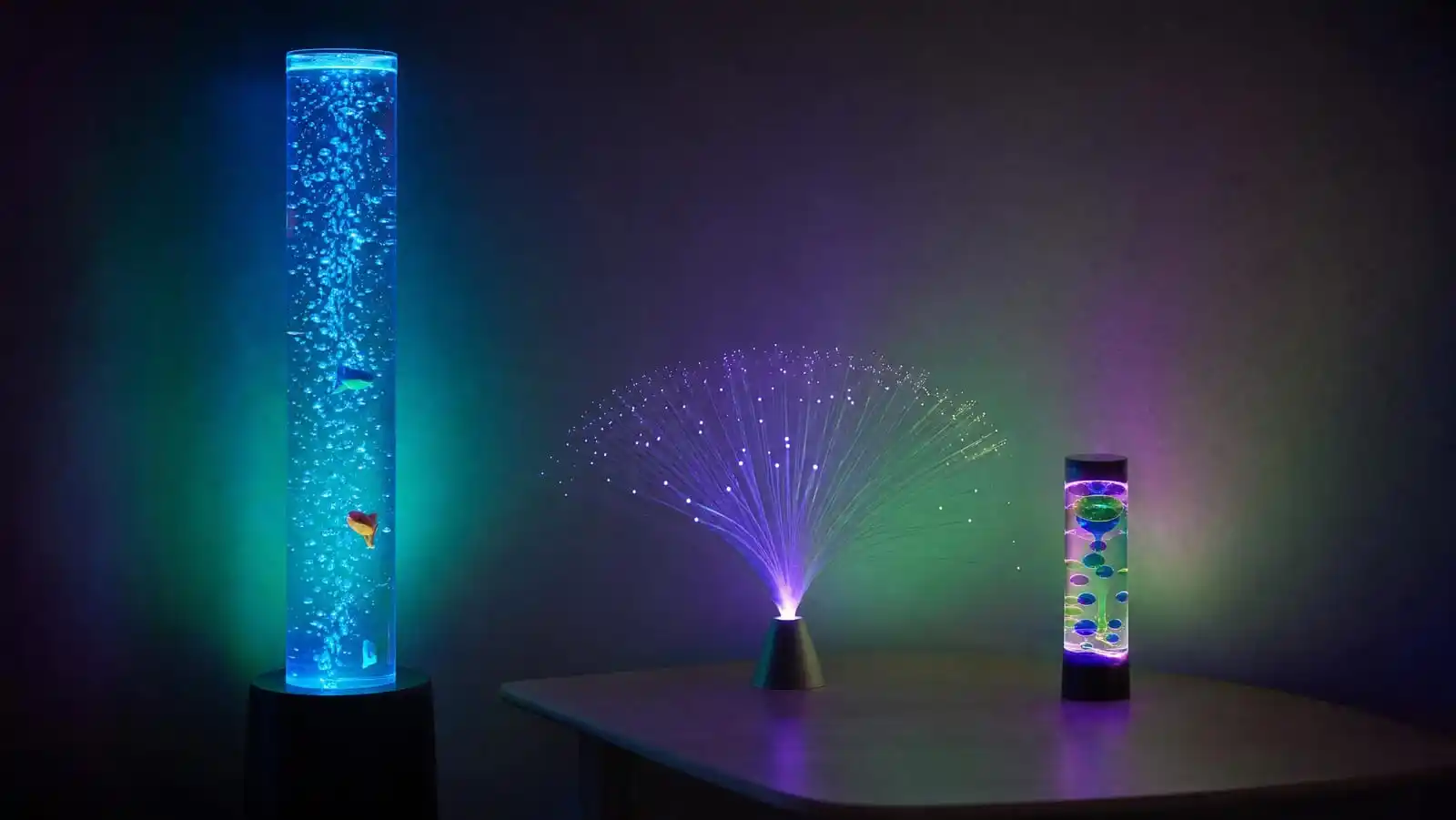
- Fiber optic lights or lava lamp for visual calming
- Light separate from main room lighting
Clear boundaries:
- Distinct from the bed/sleep area
- Rules for use (calm activities only)
- Not punishment—a resource for self-regulation
Positioning
The calm-down corner should be:
- Visible from the bed (child knows it's available)
- Separate from the bed (not confused with sleep space)
- Easy to access without fully waking up
- Away from windows and doors (contained feeling)
Budget-Friendly Makeover Checklist
You don't need expensive products to create a sensory-friendly bedroom. Here's a prioritized approach based on impact and cost:
Immediate Impact (Under $25)
- [ ] Black garbage bags + masking tape: Temporary blackout solution for windows
- [ ] Smartphone white noise app: Free apps provide consistent sound
- [ ] Declutter: Remove visual clutter, organize existing items
- [ ] Rearrange furniture: Create distinct zones for sleep vs. calm-down
- [ ] Check pajama tags: Cut out or replace irritating sleepwear
- [ ] Cover LED lights: Electrical tape on standby lights
Moderate Investment ($25-$75)
- [ ] Blackout curtains: Significant improvement over temporary solutions
- [ ] White noise machine: More reliable than phone apps
- [ ] New bedding: Sheets matching tactile preferences
- [ ] Fan or air circulator: Temperature and sound management
- [ ] Organizational bins: Closed storage for visual calm
- [ ] Dim nightlight: Red-spectrum option if light is needed
Full Makeover ($75-$200)
- [ ] Weighted blanket: Deep pressure for sleep
- [ ] Premium blackout solution: Custom blinds or multi-layer approach
- [ ] Quality mattress topper: Comfort and temperature regulation
- [ ] Calm-down corner setup: Tent/canopy, bean bag, sensory tools
- [ ] Compression pajamas: All-over deep pressure
- [ ] Room air purifier: Air quality plus white noise
Where to Invest vs. Save
Worth investing in:
- Blackout solutions (daily impact, long-lasting)
- Weighted blanket from reputable brand (safety and durability)
- Quality sheets (touched every night)
Fine to save on:
- White noise machines (basic models work well)
- Organizational bins (functionality over brand)
- Decorations (less is more anyway)
Frequently Asked Questions
Should my child's bedroom be completely dark?
For most children with autism, yes—complete darkness supports melatonin production and reduces visual stimulation. However, if your child has anxiety about darkness or needs light for nighttime bathroom trips, use dim, red-spectrum lighting as a compromise.
My child wants their bedroom full of their favorite things. How do I balance this with sensory needs?
Rotation is key. Keep favorite items but not all visible at once. Use closed storage to make items available but not constantly in view. Explain that you're creating a "sleep room" where fewer things help their brain rest.
Is it worth creating a separate sensory room, or should the bedroom serve both purposes?
If you have space for a separate sensory room, it can be beneficial to keep the bedroom primarily for sleep. However, most families successfully combine both functions by creating clear zones—a calm-down corner that's distinct from the sleep area.
My child shares a room with a sibling. How can I make it sensory-friendly?
Focus on the child's immediate sleep space:
- Individual bedside elements (lighting, sound via headphones)
- Personal bedding choices
- Privacy curtain or canopy if needed
- Designated calm-down space that's theirs alone
How often should I change the bedroom setup?
For most children with autism, consistency is important. Make changes gradually:
- One change at a time
- Several weeks between changes
- Involve the child in decisions when possible
- Don't change things that are working well
What if my sensory-seeking child finds the calm environment boring?
The bedroom doesn't need to be under-stimulating—it needs to provide calming stimulation. Include:
- Textured bedding they can touch
- Weighted items for proprioceptive input
- Acceptable background sound
- Dim visual elements (fiber optics, lava lamp) that are calming rather than alerting
Should screens be removed from the bedroom entirely?
Ideally, yes. Screens emit blue light that suppresses melatonin, and content can be stimulating even when the activity seems calm. If screens must stay, ensure they're off at least one hour before sleep and that you have a reliable power-down routine.
Putting It All Together
Creating a sensory-friendly bedroom is about understanding your individual child's sensory profile and systematically addressing each sensory system:
| Sense | Avoider Approach | Seeker Approach | |-------|-----------------|-----------------| | Visual | Darkness, minimal decor, closed storage | Dim calming lights, acceptable visual interest | | Auditory | White noise to mask sounds, quiet | White noise, acceptable background sound | | Tactile | Smooth fabrics, minimal textures | Weighted blanket, textured bedding | | Proprioceptive | Firm mattress, tight tucking | Weighted blanket, compression pajamas | | Temperature | Cooler room, breathable fabrics | Warmer options available, layering |
The goal isn't perfection—it's improvement. Even small changes can make meaningful differences in sleep quality.
For more on building effective pre-sleep routines in this optimized environment, see our guide to bedtime routine strategies for sensory seekers.
And for a comprehensive overview of all sensory sleep strategies, visit our complete guide to sleep and bedtime sensory solutions for autism and ADHD.